441. Innovations in Health Care
Alex Tabarrok discusses health care innovations, focusing on the need for better data infrastructure and the CDC's response weaknesses during the COVID-19 pandemic.
your daily dose of economic commentary
Alex Tabarrok discusses health care innovations, focusing on the need for better data infrastructure and the CDC's response weaknesses during the COVID-19 pandemic.

Kevin Corcoran discusses modular housing's potential to increase housing supply through technology and regulatory changes, emphasizing the importance of performance regulations over prescriptive ones.

An argument that highlights the unfitness of a potential Federal Reserve chair due to ignorance and the degradation of public service standards in economic policy discussions.

Noah Smith discusses the evolution of the innovation pipeline, highlighting the roles of various countries and institutions in transforming ideas into marketable products.
Tyler Cowen discusses various topics with Dan Wang, including Chinese infrastructure, healthcare spending, and the differences in East Asian development models.

A lawsuit is filed against the Pentagon for restricting media access to important national security information, claiming a violation of constitutional rights.

John Ruwitch discusses how technological advances have led to cheaper computers, but experts warn this trend may soon reverse.

An argument that the U.S. health care system is deteriorating, highlighting issues affecting companies and investors within the industry.
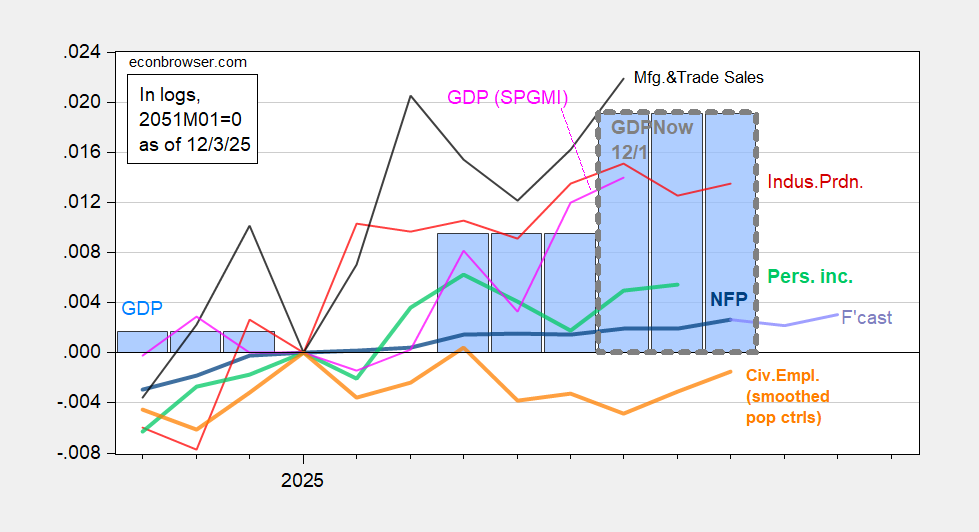
An argument that various economic indicators, including industrial production and employment data, provide insights into the business cycle and potential economic trends.
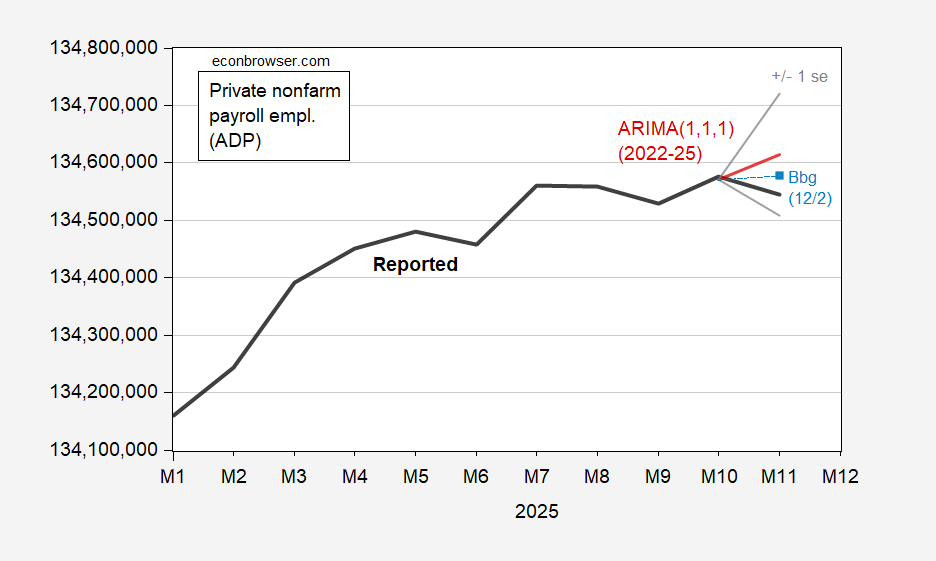
The post discusses a significant drop in ADP private nonfarm payroll employment, analyzing its implications for the economy and potential recession indicators.

Timothy Taylor discusses the evolution and transformation of the US financial services industry, highlighting shifts in GDP contribution and the rise of nonbank lending.

Camila Domonoske discusses President Trump's decision to roll back fuel economy standards, labeling them as overly burdensome and part of broader regulatory changes.

Rachel Treisman discusses the FDA's recall of specific brands of grated and shredded cheeses due to safety concerns.

Light vehicle sales increased to 15.6 million SAAR in November, reflecting a 2.0% rise from October and influenced by various market factors.

The author explores a personal approach to mental clarity through a method akin to intermittent fasting, reflecting on weight loss experiences and the simplicity of calorie deficits.
A discussion on the implications of US debt, interest rates, and the relationship between debt and economic conditions, emphasizing the valuation of debt as an asset.

The post discusses the historical context of federal disaster relief, critiques Trump's policies on FEMA, and highlights the negative impact on communities in need of aid.

Support for small businesses by mayors reflects a positive shift in progressive governance, emphasizing economic revitalization and reducing burdensome regulations.

Bill McBride discusses the slight increase in industrial production and capacity utilization in September, highlighting its implications and comparisons to past data.

Mortgage applications fell 1.4% in the latest survey, influenced by lower mortgage rates and mixed economic indicators, with year-over-year trends showing some improvement.