
421. Waymo will recall software after its self-driving cars passed stopped school buses
Jeff Brady discusses Waymo's decision to recall software for its self-driving cars following incidents where the vehicles did not stop for school buses.
your daily dose of economic commentary
Jeff Brady discusses Waymo's decision to recall software for its self-driving cars following incidents where the vehicles did not stop for school buses.

A production error in glucose monitors has led to seven deaths and hundreds of injuries due to inaccurate low glucose readings.
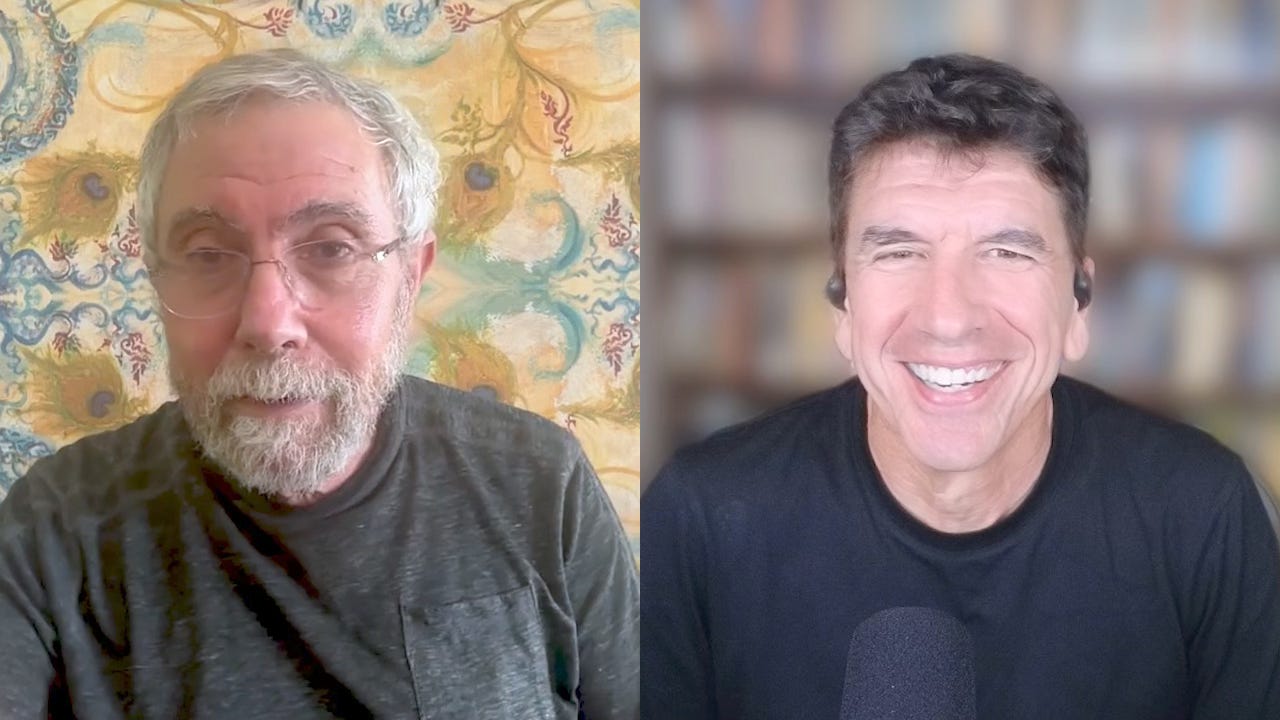
Paul Krugman discusses U.S. trade policy and the complexities of AI with Paul Kedrosky, seeking to understand their implications for the economy.

The post outlines the economic schedule for the week, highlighting key reports and the anticipated Federal Reserve rate cut.
An argument that emphasizes the importance of human capital and market alignment in economic analysis, particularly regarding the UK's current economic challenges.
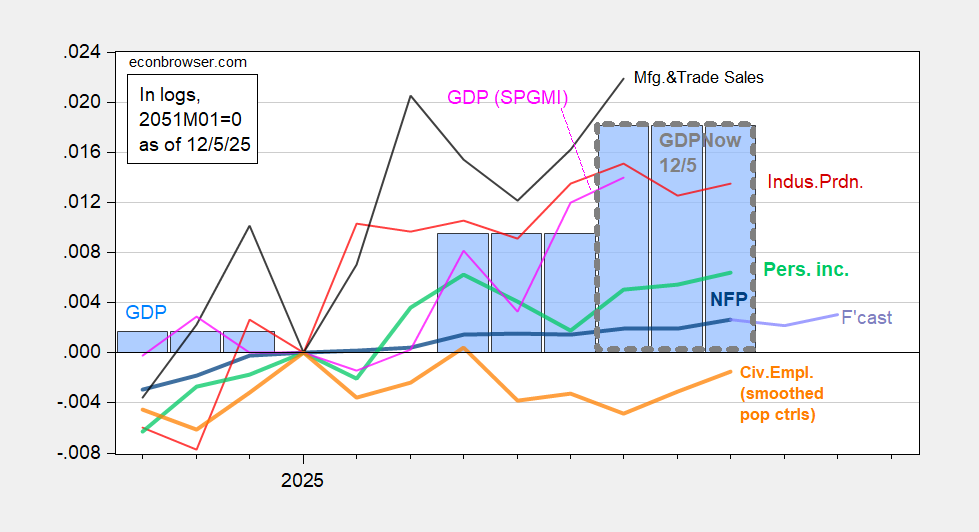
An argument that recent economic indicators suggest the business cycle may be nearing or past its peak, highlighting trends in income, spending, and employment.
![Deceleration in Nowcasted Final Sales to Private Domestic Purchasers, GDP [Updated]](https://econbrowser.com/wp-content/uploads/2025/12/finsalesprivdompix.png)
Menzie Chinn discusses a slowdown in the nowcasted final sales to private domestic purchasers, indicating potential implications for GDP growth.

The discussion highlights the importance of alternative data in economic analysis, emphasizing its role in complementing traditional statistics for better policymaking and understanding economic conditions.
Timothy Taylor discusses the evolution of Medicaid into a major health insurance program, its funding structure, and implications for beneficiaries and providers.

Andrea Hsu discusses a D.C. Circuit Court ruling that upheld President Trump's firings of Democratic agency heads.

The post discusses a significant fine imposed on X for misleading practices regarding user verification and transparency in advertising and data access.

An argument that fuel-efficiency standards favor larger vehicles, complicating the market for smaller, more efficient cars, and how recent policy changes could alter this dynamic.

Paul Krugman discusses how rising prices and economic dissatisfaction contributed to Trump's electoral success and the implications for future political dynamics.

David Hebert discusses the misconceptions in housing policy regarding demand and supply, emphasizing that new mortgage proposals will likely increase prices rather than affordability.

The post discusses the year-over-year changes in shelter costs according to CPI and PCE reports, highlighting a decline in shelter inflation rates.

The Associated Press discusses Netflix's acquisition of Warner Bros' studio and streaming businesses for $72 billion, highlighting the significance of the merger in the entertainment industry.

The discussion centers on the shifting perspectives regarding racial judgment, individualism, and group blame in political discourse, particularly in relation to immigration and social issues.

Bill McBride discusses the increase in personal income and spending in September, along with details on inflation and personal saving rates.

A legal dispute centers on NPR's claim that the Trump administration violated laws regarding public media treatment.

Bill McBride discusses the slowdown in US home price growth to 1.1% YoY in October 2025, highlighting market adjustments and affordability challenges.