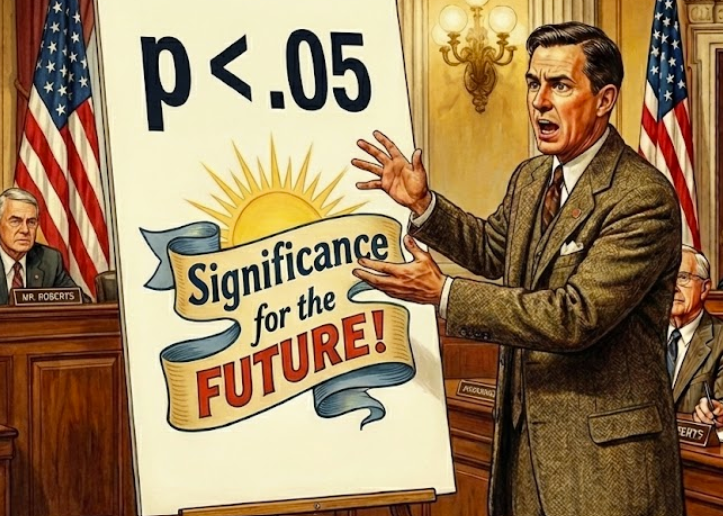
381. Statistical Inference is Policy
An argument that statistical inference is influenced by researchers' behavioral choices, suggesting that research methods should consider human behavior similarly to economic policy design.
your daily dose of economic commentary
An argument that statistical inference is influenced by researchers' behavioral choices, suggesting that research methods should consider human behavior similarly to economic policy design.
The post discusses the global expansion of antitrust laws, their historical context, and varying enforcement experiences in different countries.
The post discusses the Federal Reserve's decision to cut the federal funds rate by 25 basis points in response to economic conditions and risks.
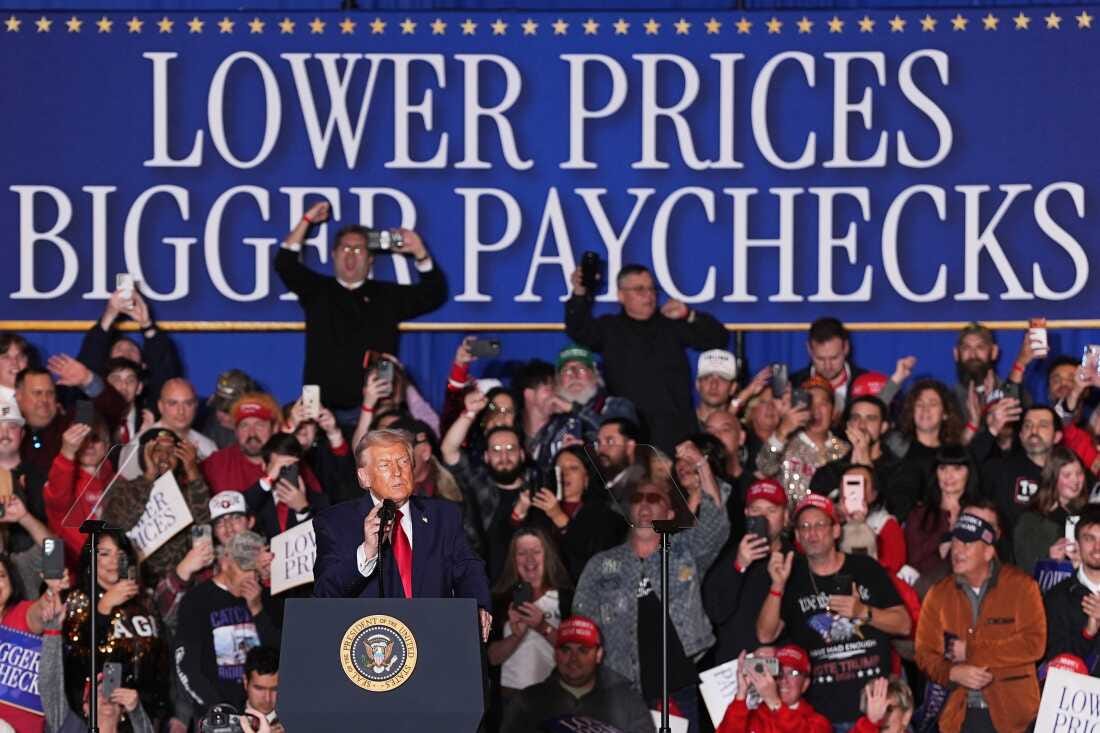
The post critiques Trump's speech on the economy, highlighting his refusal to acknowledge economic issues and blaming the public for their dissatisfaction.

The post discusses the completion of a GitHub repository for a paper on difference-in-differences methodology, highlighting its pedagogical purpose and application to Medicaid expansion.

An increase in mortgage applications is reported, driven by refinancing, while purchase applications show mixed trends amid improving housing conditions and interest rates.
An argument that the Federal Reserve is contemplating interest rate cuts while Afghan CIA fighters express feelings of abandonment by the U.S. government.
Tyler Cowen argues against banning under-16s from internet sites, highlighting concerns about government control, free speech, and the potential negative impact on youth learning and innovation.

Emily Feng discusses how an anthropological term transitioned into Chinese memes and influenced government policymaking.
The discussion centers on a conservative commentator's YouTube success, her critiques of Trump, and her views on Nick Fuentes.

Scott Horsley discusses the Federal Reserve's anticipated interest rate cut amid high inflation and mixed job market signals, highlighting potential divisions within the Fed.
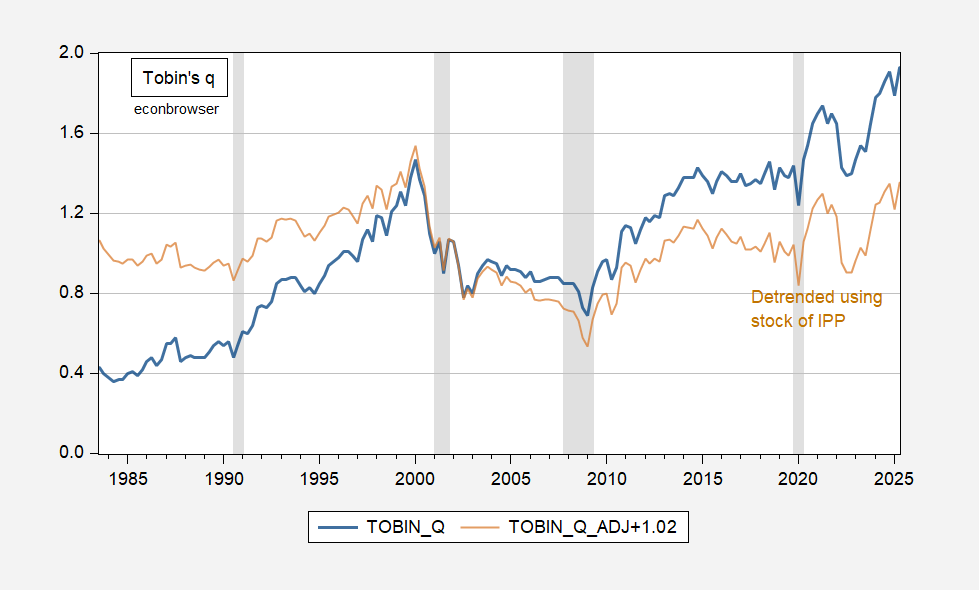
An argument that q-theory's relevance has diminished in investment discussions, particularly due to challenges in measuring intangible capital in the context of AI advancements.

Timothy Taylor discusses the immense scale of foreign exchange trading, its motivations, and the dominance of the US dollar in global markets.

The post highlights various stories that illustrate economic principles, including pricing strategies, antitrust issues, and market impacts on consumer behavior.

Cory Turner discusses how a proposed settlement could require millions of borrowers in the SAVE plan to start making loan payments after a period of legal challenges.

Paul Krugman discusses the parallels between the unregulated social media industry and a hypothetical unregulated heroin market, highlighting corruption and political influence in America.

Bill McBride discusses the unchanged job openings at 7.7 million in October, along with related labor market statistics from the BLS report.

Robert Vienneau discusses a model combining fixed capital and extensive rent, highlighting issues in wage determination and the concept of switch points in economic analysis.
Brittney Melton discusses Trump's focus on affordability in Pennsylvania and the implications of Indiana's redistricting on Democratic representation.

An argument that declining demand for professional Santas and seasonal workers may indicate an economic recession.