
121. December Employment Report: 50 thousand Jobs, 4.4% Unemployment Rate
The post discusses December's employment figures, highlighting job growth, unemployment rates, and revisions to previous months' data, indicating a weak labor market overall.
your daily dose of economic commentary
The post discusses December's employment figures, highlighting job growth, unemployment rates, and revisions to previous months' data, indicating a weak labor market overall.
An argument that the U.S. should allow Greenland to choose independence voluntarily, emphasizing respect for their autonomy and the importance of a cooperative future partnership.
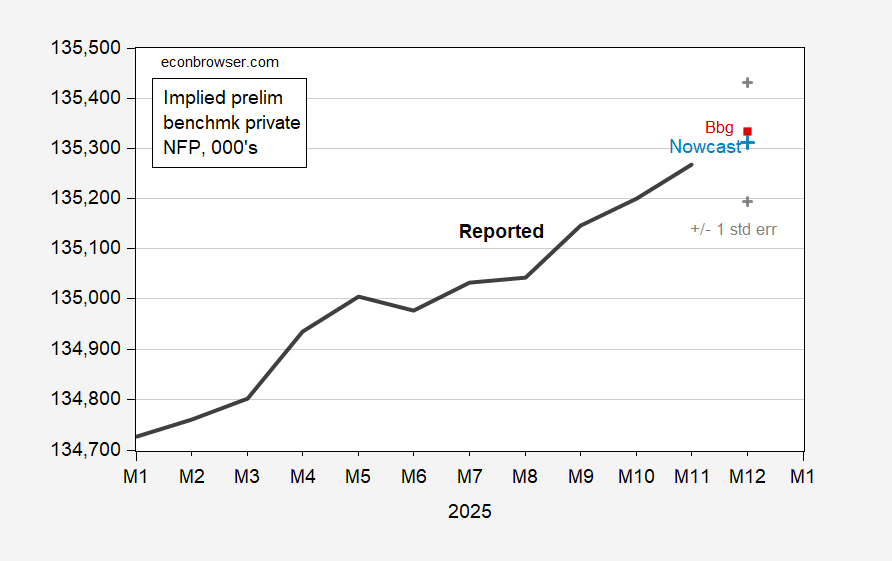
The post discusses trends in private nonfarm payroll employment, highlighting discrepancies in forecasts and implications for small firm employment and overall job numbers.

The author reflects on receiving the Distinguished Fellow award from the American Economic Association, highlighting its significance and unexpected nature in his career.

Alex Tabarrok discusses the disproportionate impact of a small number of individuals on complaint statistics, highlighting inefficiencies in public response to these complaints.
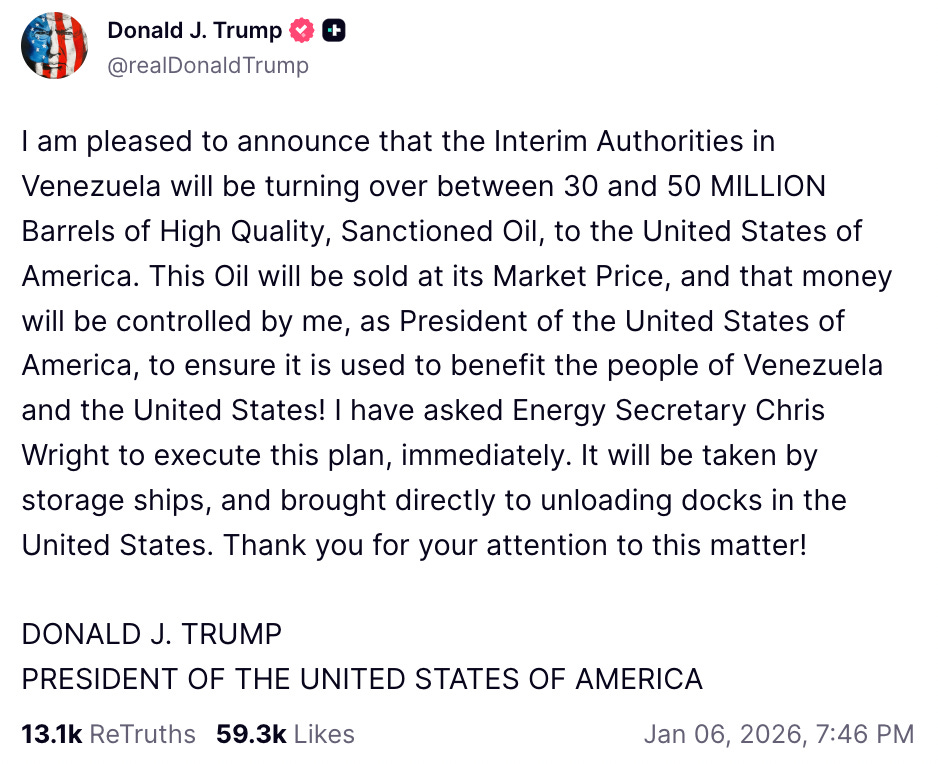
Paul Krugman discusses how Trump's foreign policy serves the interests of his personal clique rather than the national interests of the United States.

Arnold Kling discusses Nicholas Wade's views on the intersection of human nature, cultural norms, and political structures, emphasizing the implications for society and social cohesion.

Bill McBride discusses the decrease in the U.S. trade deficit for October, highlighting changes in exports and imports compared to previous months.
A conversation explores the innovative role of poets in AI training, the economics of talent compensation, and the implications of AI on various industries and creativity.
The piece explores the transformative impact of technology on personal productivity and governance, emphasizing the importance of legibility and data management in daily life.

Nate Silver analyzes NFL playoff teams' performances and predictions, emphasizing the impact of injuries and team ratings on Super Bowl outcomes.
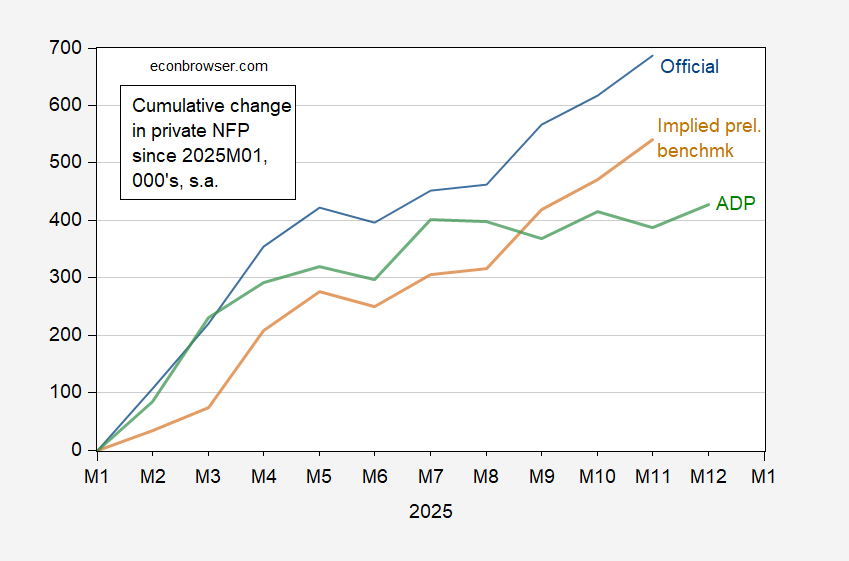
The post analyzes recent trends in nonfarm payroll employment, highlighting discrepancies between large and small firms and a decline in manufacturing jobs.

Noah Smith discusses the chaotic geopolitical implications of Trump's capture of Maduro and the decline of American power in global affairs.

Joshua Gans discusses the implications of AI on job displacement, using historical examples to illustrate how technology can replace roles traditionally held by humans.

Timothy Taylor examines the paradox of a seemingly healthy US labor market contrasted with public pessimism, highlighting key data trends and concerns about employment dynamics.

Scott Horsley discusses how the Trump administration's immigration policies and declining birth rates are contributing to a significant slowdown in U.S. population growth.

Bill McBride discusses the state of local housing markets in December, highlighting low existing home sales and year-over-year changes in sales data.

An argument that U.S. investors, beyond oil companies, may gain from military actions in Venezuela under Trump's administration.

Paul Krugman discusses the misconceptions around Venezuela's oil wealth and critiques Trump’s motivations regarding oil in his foreign policy.

Bill McBride discusses the decline in job openings to 7.1 million in November, highlighting labor market trends and statistics from the BLS report.