
601. How .99 Pricing Survives the Penny Shortage
The post discusses the penny shortage in the U.S., the rounding of cash transactions, and the complexities of pricing due to varying tax rates across different regions.
your daily dose of economic commentary
The post discusses the penny shortage in the U.S., the rounding of cash transactions, and the complexities of pricing due to varying tax rates across different regions.
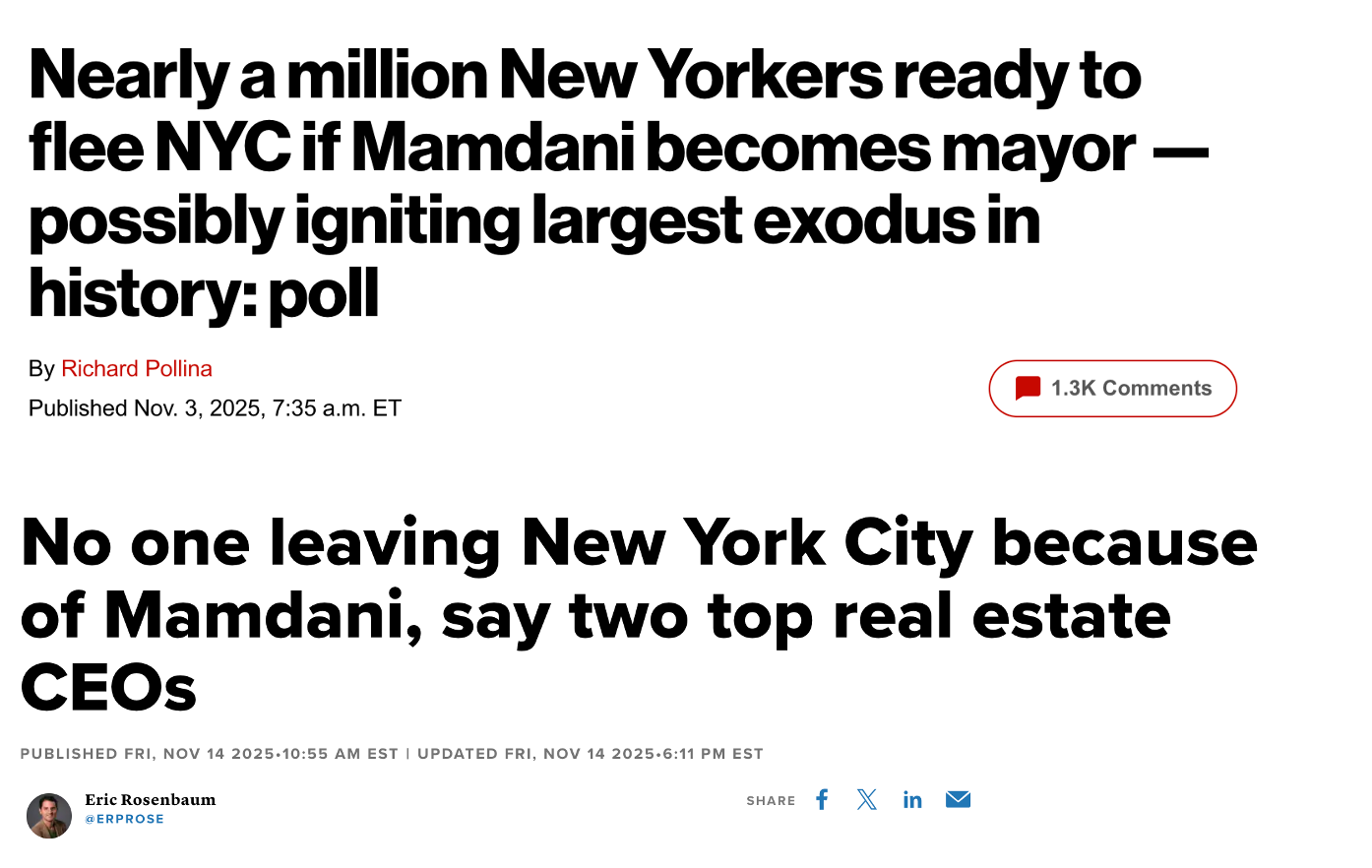
An argument that wealthy individuals often exaggerate threats to their interests, revealing their dependence on urban centers despite their claims of fleeing due to political changes.

Construction spending rose slightly in August, with private spending increasing while public spending remained stable, though year-over-year comparisons show declines in private construction.

Bill McBride discusses the weekly decline in active single-family housing inventory and its seasonal patterns compared to previous years.

Rising disaster and insurance costs are burdening middle-class families, leading to concerns about potential foreclosures in southwest Florida.
The post discusses a dating strategy suggested by a billionaire, emphasizing the importance of effort and opening lines in meeting potential partners.

Kristian Monroe discusses the rising trend of women renting clothing due to increasing prices driven by inflation and tariffs.

An argument that women over 30 are reshaping societal perceptions of single motherhood in America, highlighting changing demographics and cultural narratives.
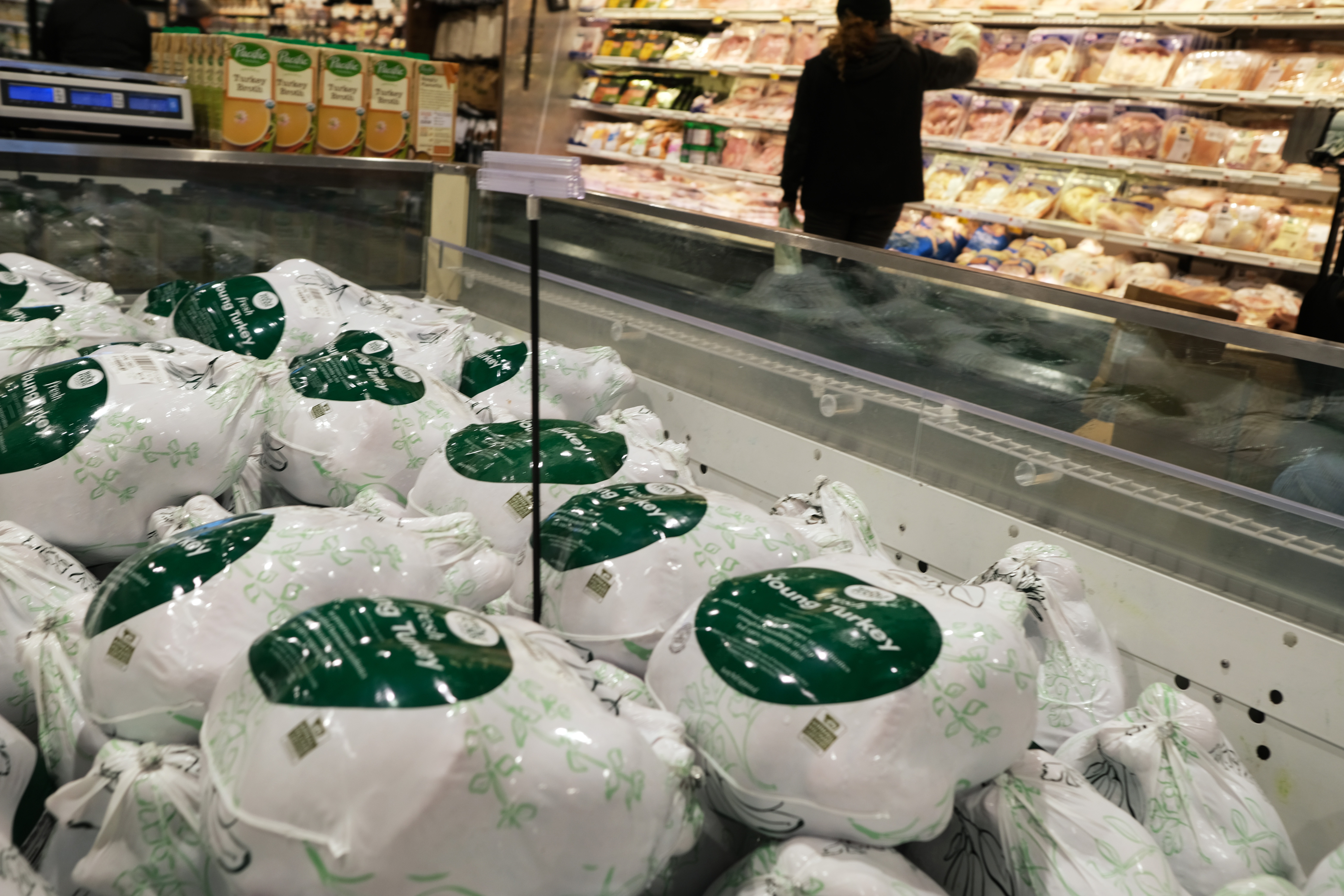
Lydia Calitri discusses rising turkey prices and offers tips for managing Thanksgiving expenses amid inflation.
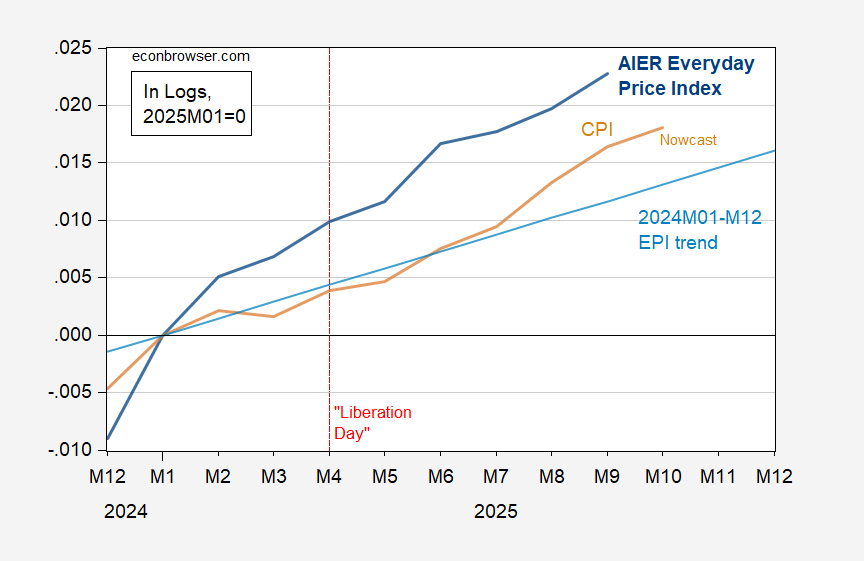
Menzie Chinn analyzes the differences between the AIER's Everyday Price Index and the Consumer Price Index, highlighting their implications for affordability.
An argument that high costs of US clinical trials stem from expensive healthcare, regulatory challenges, and the need for high-quality care, impacting patient recruitment and overall expenses.
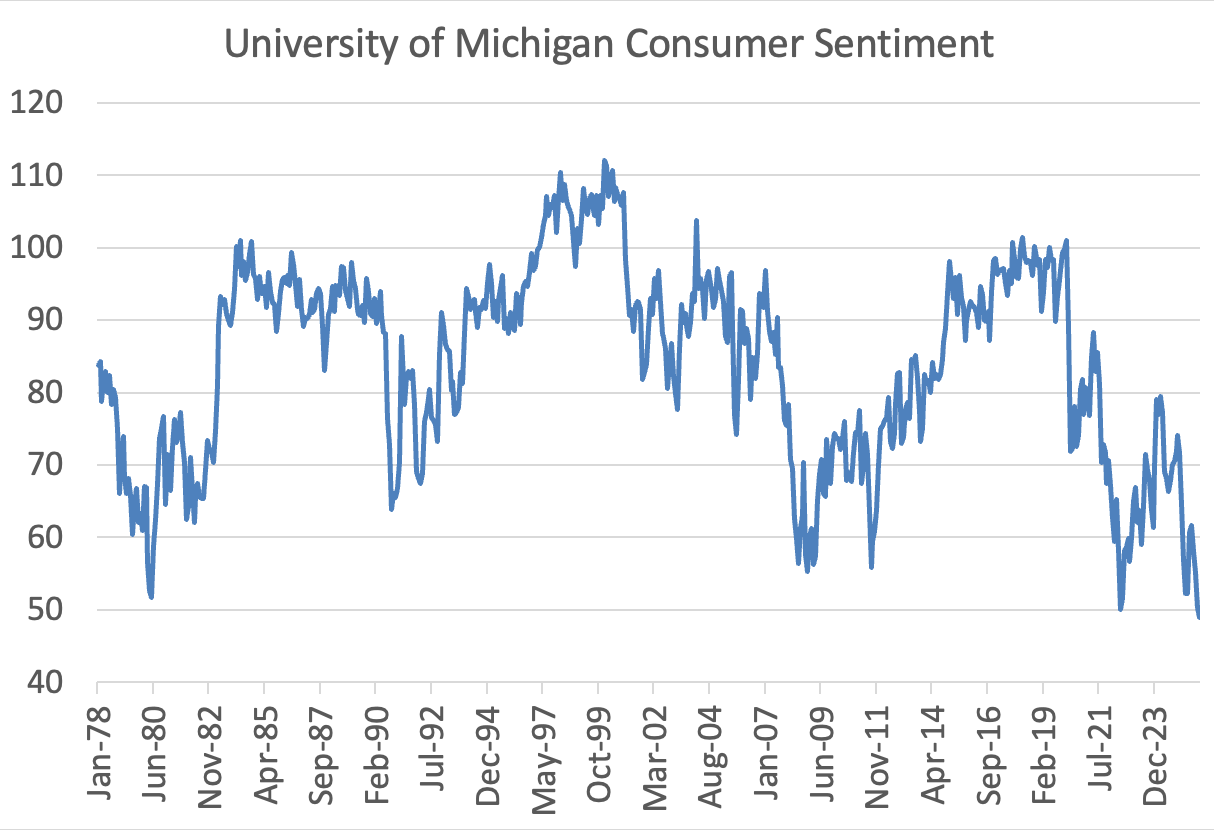
An argument that despite decent economic indicators, public sentiment remains negative, highlighting a disconnect between perceptions and reality in recent economic history.
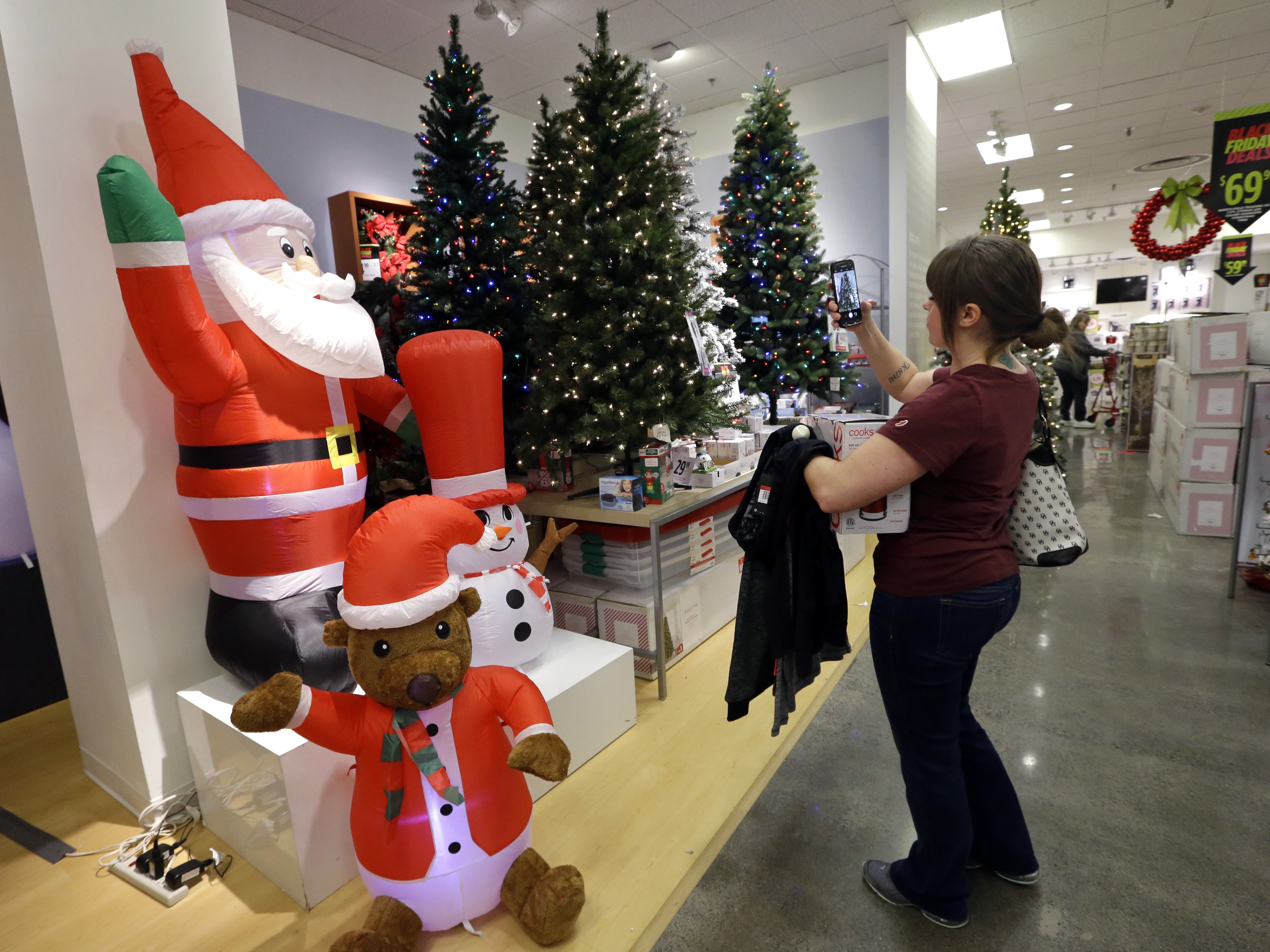
Rising costs for artificial Christmas trees are influenced by tariffs and supply chain issues, prompting consumers to consider purchasing earlier this year.

Noah Smith discusses the disparity between China's strong international image and the struggles faced by its citizens, highlighting economic and mental health issues among the youth.
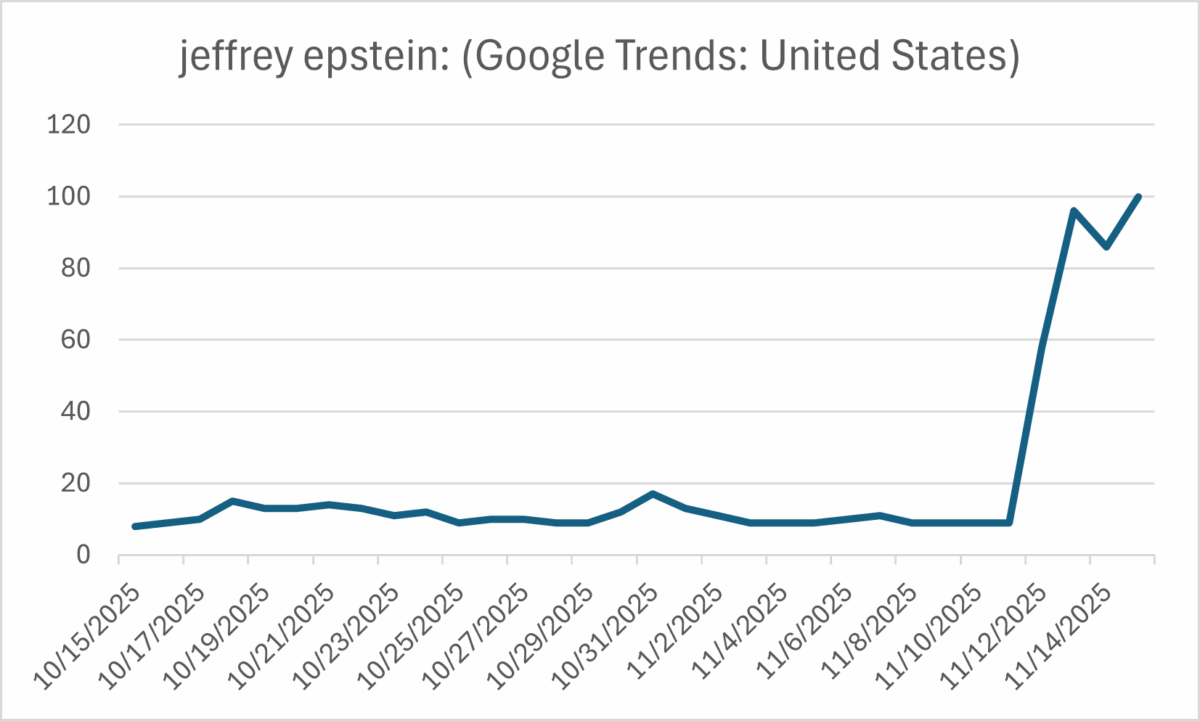
The post discusses correlations between media interest in Epstein and military deployments, suggesting potential political motivations behind military actions during scandals.

The discussion focuses on media criticism regarding the coverage of a young, democratic socialist mayor-elect and the uncomfortable reactions from both right-wing and legacy media.

The post outlines the economic reports and data releases scheduled for the week of November 16, 2025, including employment and housing statistics.

Right-wing media downplays the significance of newly released Epstein documents, including those mentioning a prominent political figure.
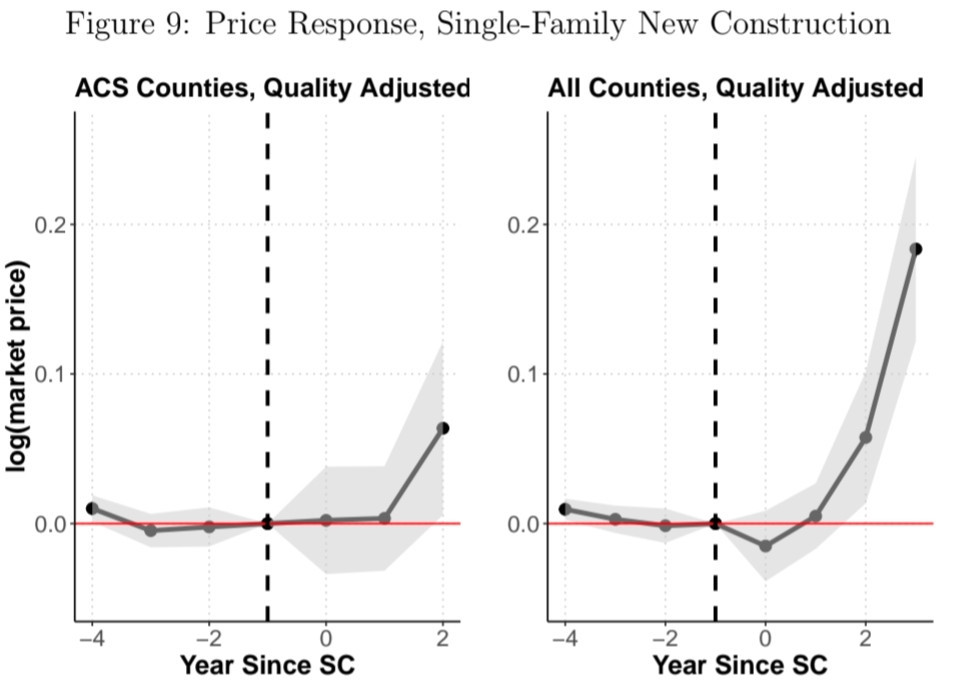
Menzie Chinn discusses the effects of deportations and tariffs on the construction labor force and housing costs.

An argument that the reduction of tariffs on certain goods aims to alleviate consumer price pressures amid rising economic concerns influencing recent electoral outcomes.