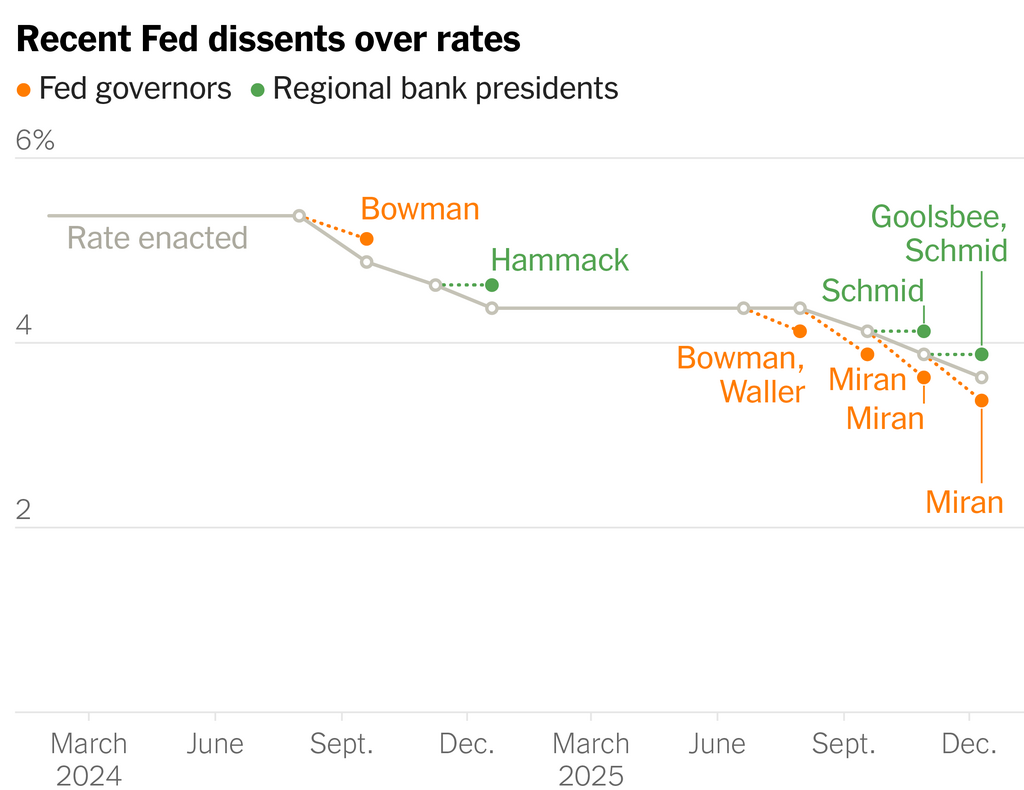
261. Fed Governor/CEA Chair (on leave) Miran: “Fed Risks Recession Without More Interest Rate Cuts”
An argument that the Federal Reserve risks recession without further interest rate cuts, despite not anticipating an immediate economic downturn.
your daily dose of economic commentary
An argument that the Federal Reserve risks recession without further interest rate cuts, despite not anticipating an immediate economic downturn.
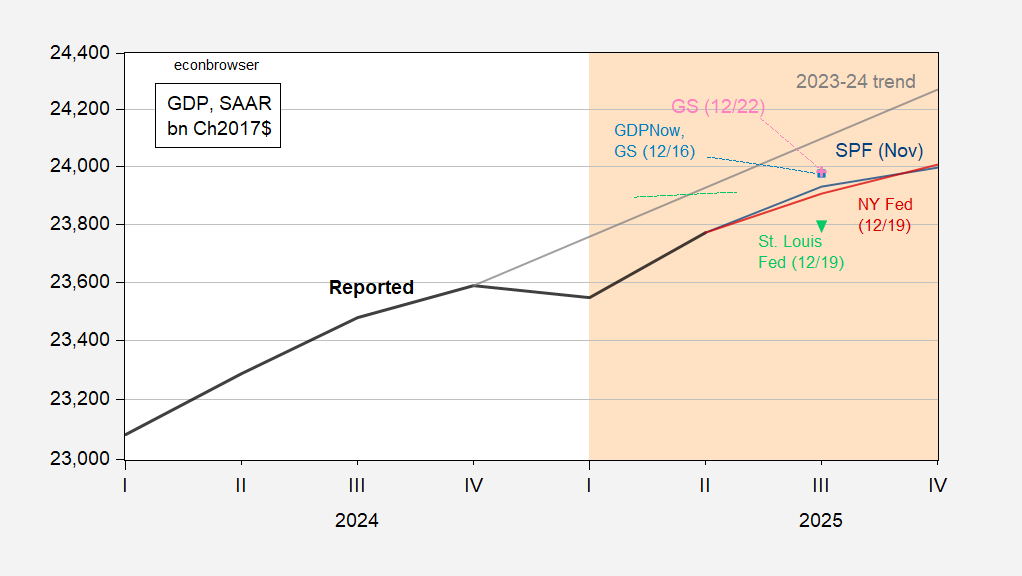
The post discusses GDP forecasts and nowcasts, highlighting discrepancies in growth predictions and trends in domestic aggregate demand.

An argument that discrimination against White men has increased in various sectors, despite legal protections, highlighting challenges in addressing racial bias in hiring practices.

Menzie Chinn critiques EJ Antoni's qualifications and work, highlighting the lack of peer-reviewed research and errors in his economic analysis.

An argument that multiple states are suing the Trump administration over its refusal to accept funding for the Consumer Financial Protection Bureau, potentially harming consumers.
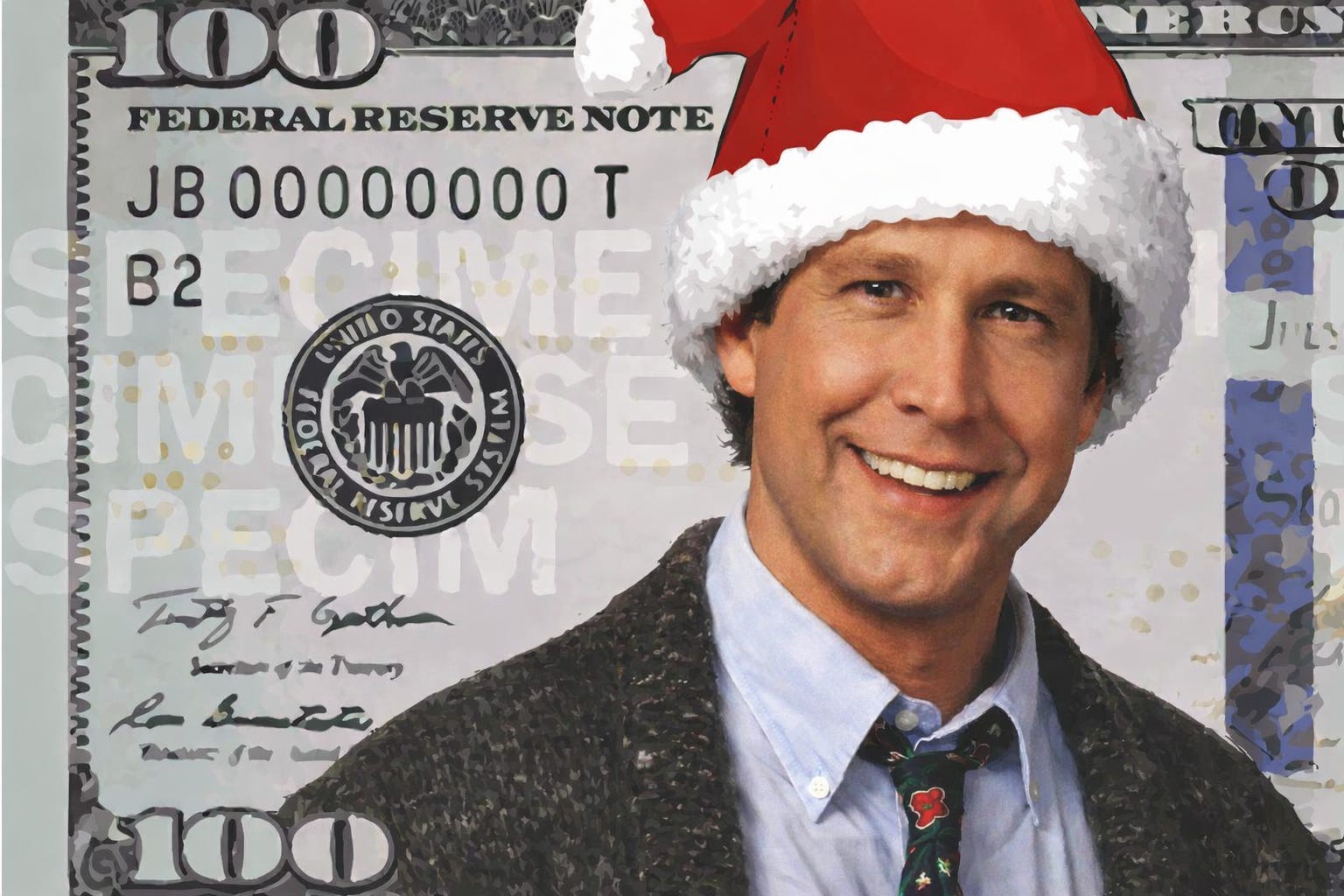
Jadrian Wooten explores the prevalence and economic rationale behind holiday bonuses, highlighting their differences from performance-based bonuses and their impact on employee morale.

The Associated Press discusses the Trump administration's decision to pause offshore wind projects in New England, New York, and Virginia, citing national security concerns.
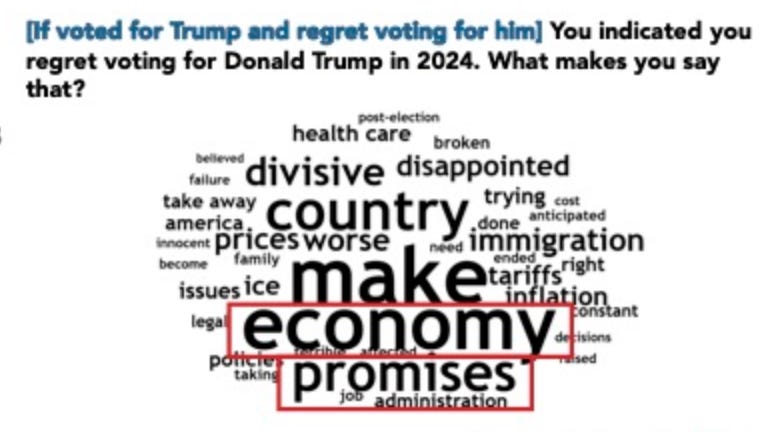
An argument that Trump's economic policies have failed to deliver promised job creation and lower prices, highlighting the shortcomings of his manufacturing and tariff strategies.

Bill McBride discusses a 2.3% week-over-week decline in active single-family housing inventory, noting seasonal trends and comparisons to previous years.

The post discusses the potential for kei cars, popular in Asia, to gain acceptance in the U.S. market amid mixed reactions from enthusiasts.
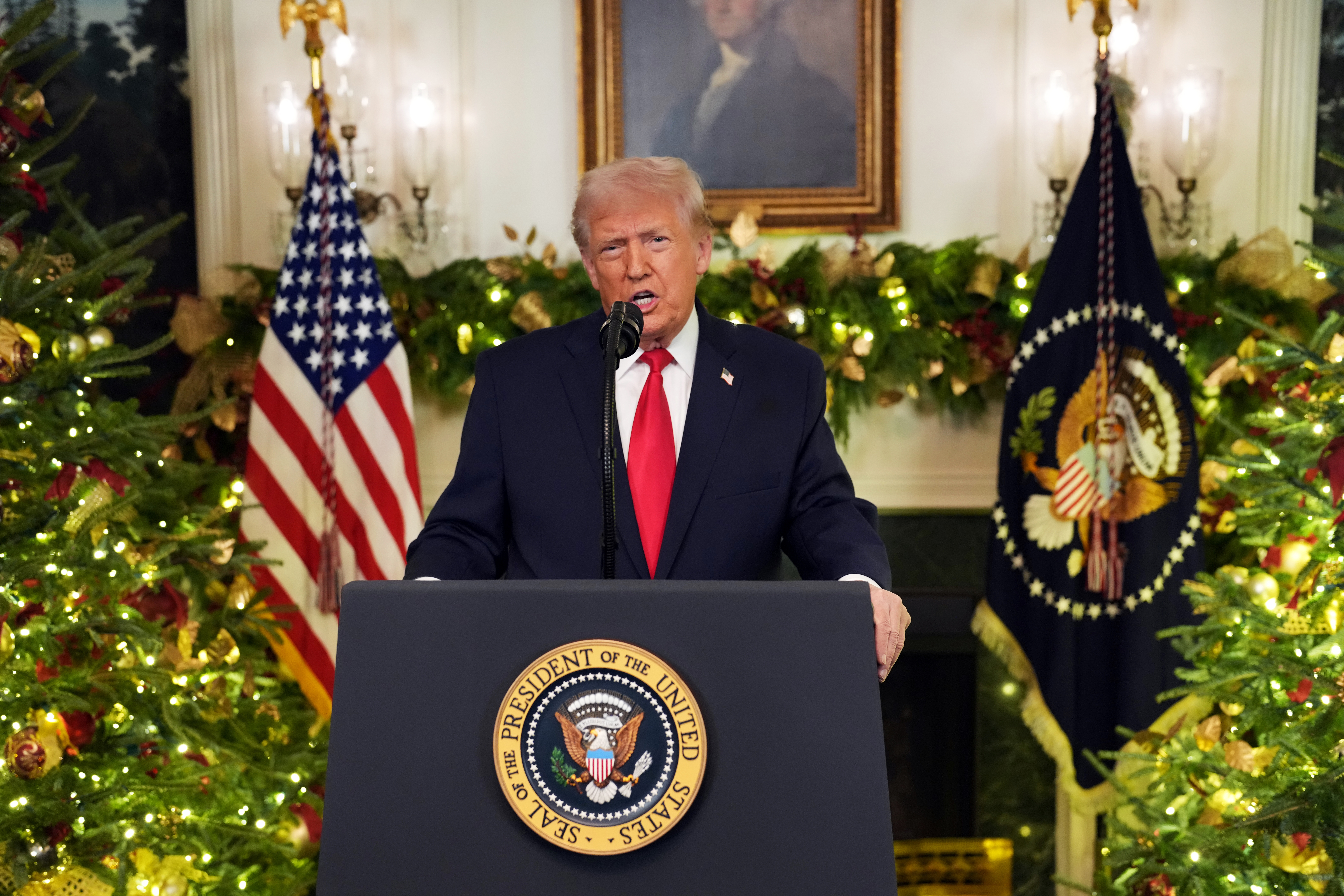
Maria Aspan discusses how President Trump's policies in 2025 influence capitalism by intertwining business and government roles.

The post discusses how The Nutcracker is crucial for ballet companies' financial stability, especially in the aftermath of COVID-19.
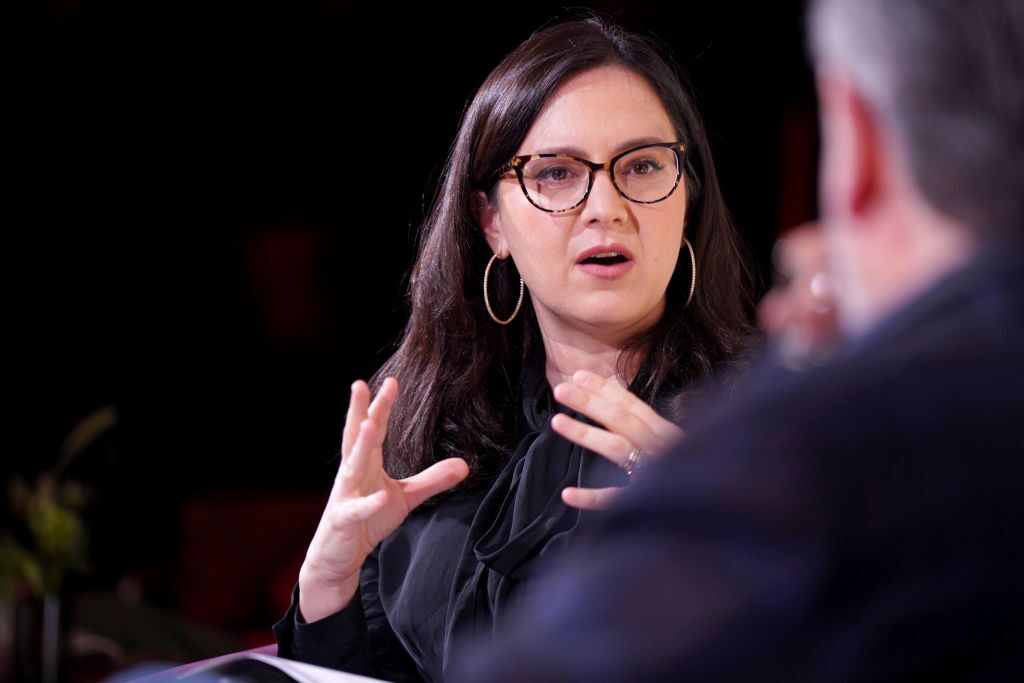
David Folkenflik discusses Bari Weiss's decision to withdraw a 60 Minutes story about alleged abuses at a detention center for Venezuelan migrants.

Lawmakers threaten to hold the Attorney General in contempt for failing to provide complete files related to Jeffrey Epstein's case.

The author shares experiences from a trip to Boston with his daughters, highlighting activities, sights, and personal reflections on family and the city.
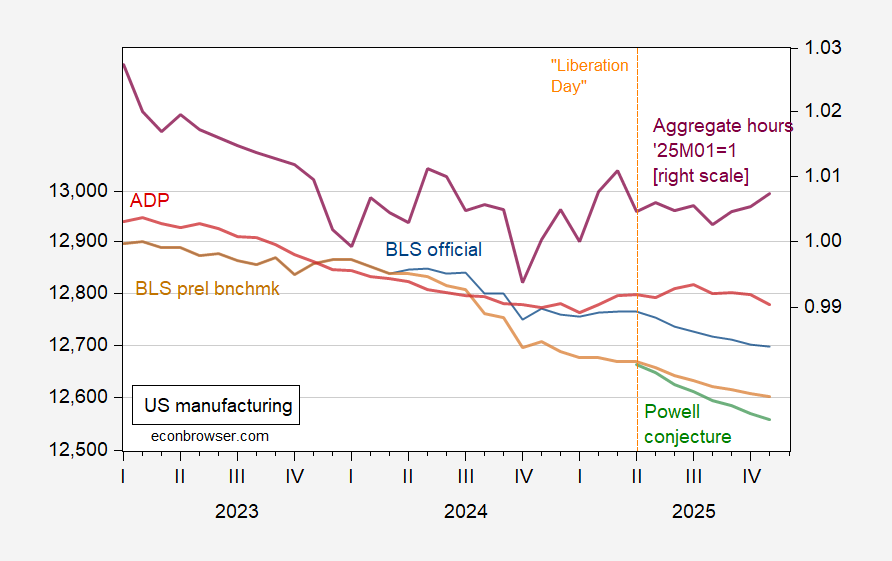
Menzie Chinn analyzes recent trends in manufacturing employment and its relationship with tariffs and economic indicators.

Nate Silver discusses Las Vegas's economic challenges, highlighting declining tourism and shifting consumer preferences amid rising costs and a focus on high-end clientele.
Alex Tabarrok discusses Senator Mike Lee's proposal for privateers to combat drug cartels, highlighting historical successes and economic incentives of privateering.
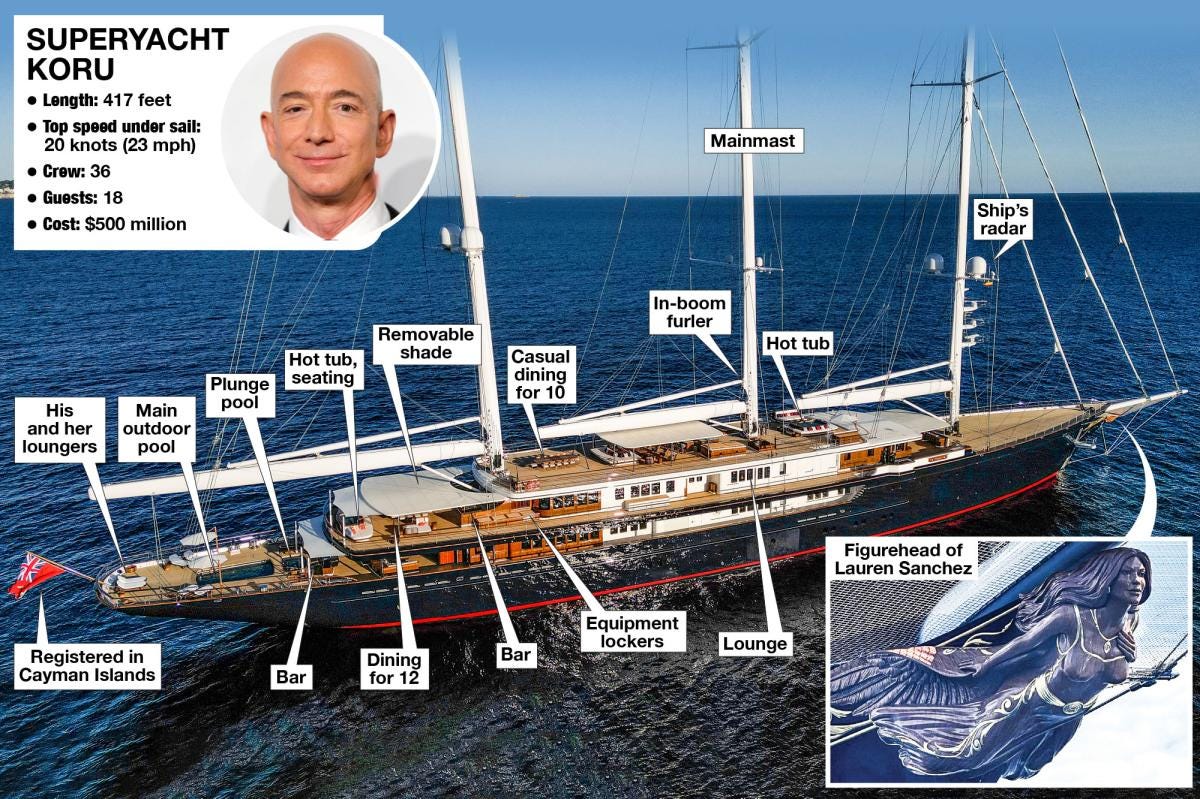
Paul Krugman discusses consumer sentiment regarding economic affordability, emphasizing feelings of inclusion, security, and fairness as key factors influencing public perception of the economy.
Bill McBride poses ten economic questions to analyze potential U.S. economic performance in 2026, focusing on growth, employment, inflation, and housing.