2421. Taxing Capital Gains Only After Realization
An argument that capital gains should be taxed only upon realization, highlighting the implications of interest rates and the inequities of taxing unrealized gains.
your daily dose of economic commentary
An argument that capital gains should be taxed only upon realization, highlighting the implications of interest rates and the inequities of taxing unrealized gains.
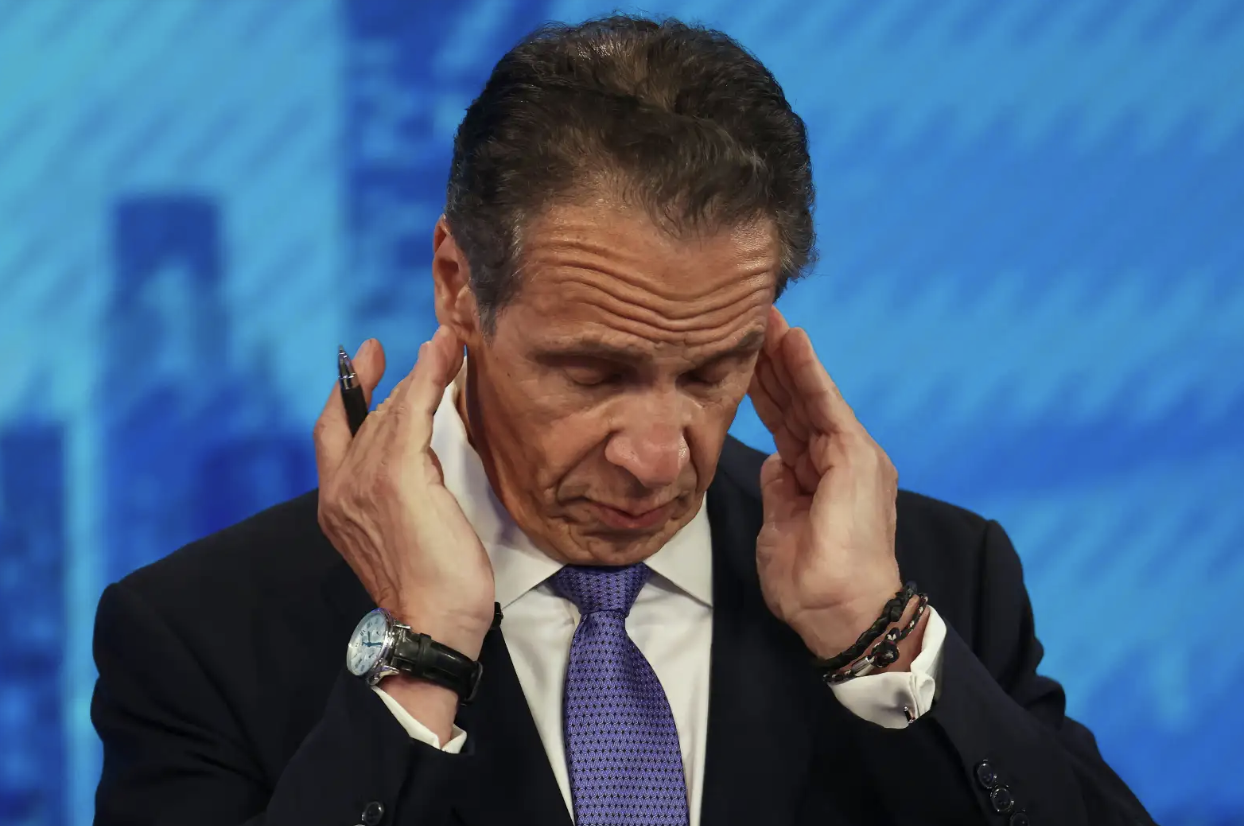
Joel Wertheimer discusses the New York City mayoral primary race between Andrew Cuomo and Zohran Mamdani, highlighting polling dynamics and the implications of ranked choice voting.

David Henderson discusses the economic implications of discontinuing the penny, highlighting the costs of production and comparing the U.S. system to Canada's experience.

The post highlights various stories illustrating economic principles, including consumer behavior, bankruptcy, savings rates, pricing strategies, and living wage requirements across states.

An argument that nationalism contradicts economic principles by promoting mercantilism while undermining individual property rights and the efficiency of free trade.

Bill McBride analyzes employment trends in public and private sectors during presidential terms, highlighting differences in job growth and economic conditions across administrations.

Jon Murphy critiques Trump's trade negotiation strategies, highlighting failures in the China trade war and the USMCA, emphasizing a lack of understanding of trade principles.

The discussion centers on Apple's cautious approach to integrating AI into its products, contrasting past failures with recent updates that prioritize functionality over hype.

Bill McBride discusses the upcoming Consumer Price Index release, providing forecasts and insights on inflation trends and contributing factors.

The discussion centers on the misrepresentation of urban crime by Trump to justify authoritarian measures, highlighting the contrast between reality and his rhetoric.
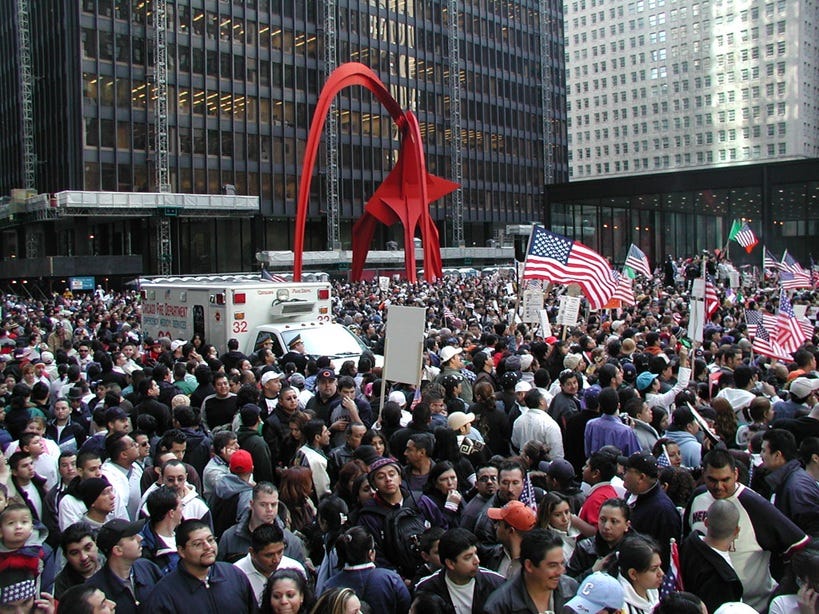
Noah Smith discusses immigration issues, including public sentiment, economic needs for immigrants, and the political implications of current policies and rhetoric.

The discussion centers on the informal signs and social media trends indicating a potential recession.

An argument that CEOs are experiencing emotional responses to President Trump's tariffs, transitioning through stages of denial, bargaining, anger, and depression.
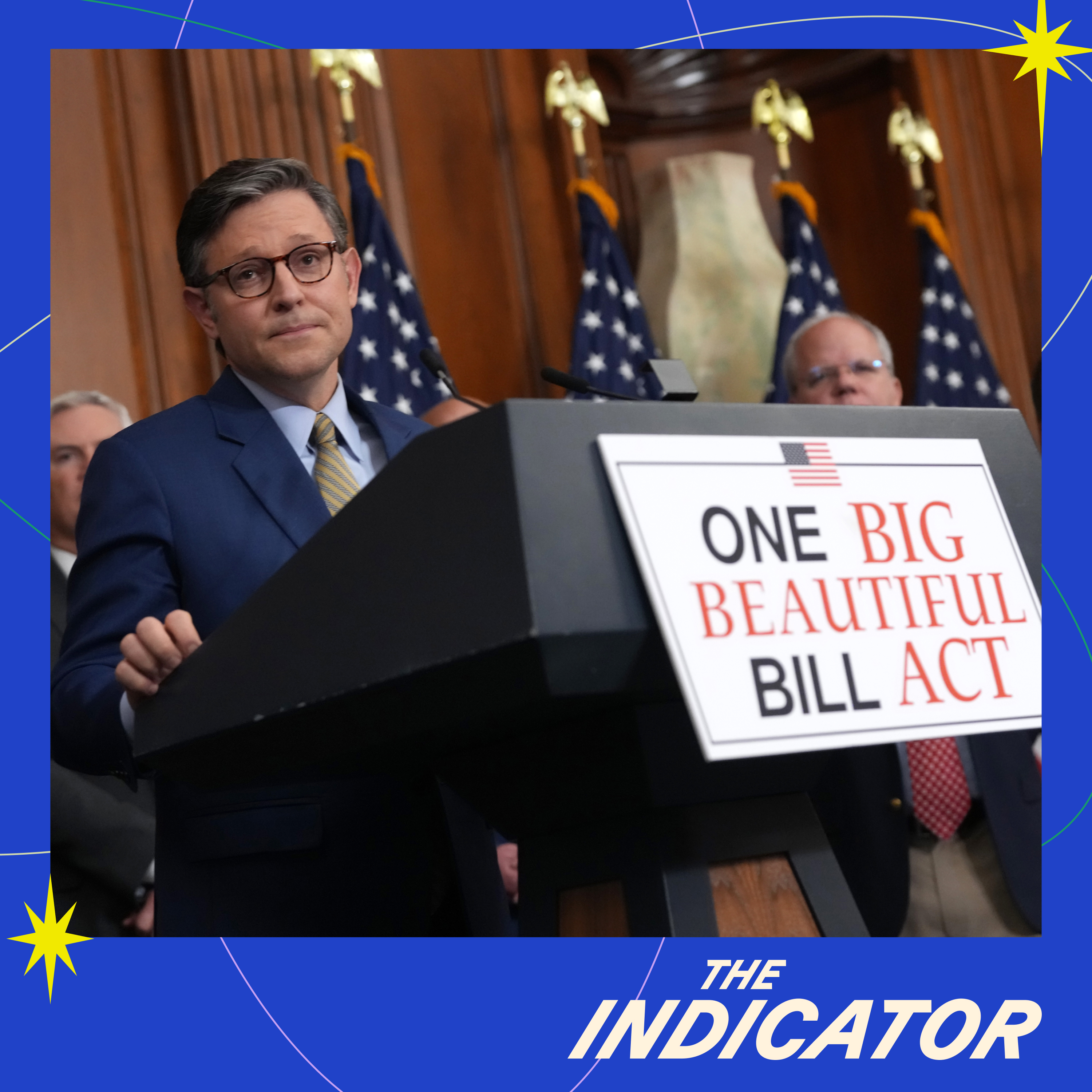
Darian Woods discusses proposed taxes on remittances and investments that could disrupt the US's long-standing free money movement policy.
An argument that eliminating the penny could reduce transaction costs and not necessarily lead to higher prices, despite concerns about its impact on low-income consumers.

The Associated Press discusses states suing to prevent the sale of personal genetic data without informed consent.

The author reflects on the newsletter's progress, subscriber growth, and the balance between personal expression and current events without focusing on self-promotion.

An argument that U.S. tax policies hinder R&D incentives, impacting innovation and competitiveness compared to other countries, particularly following recent changes in tax deduction rules.
Home price growth has slowed significantly, with inventory levels rising and declines observed in various markets due to higher mortgage rates and moderated demand.

The post discusses various economic indicators to monitor for potential recession signs, emphasizing resilience in the U.S. economy despite trade policy concerns.