
2101. What Amazon Prime Day Can Teach Us About Economics
The post explores how Amazon Prime Day exemplifies price discrimination, highlighting its economic implications and strategies for maximizing profits through consumer behavior.
your daily dose of economic commentary
The post explores how Amazon Prime Day exemplifies price discrimination, highlighting its economic implications and strategies for maximizing profits through consumer behavior.
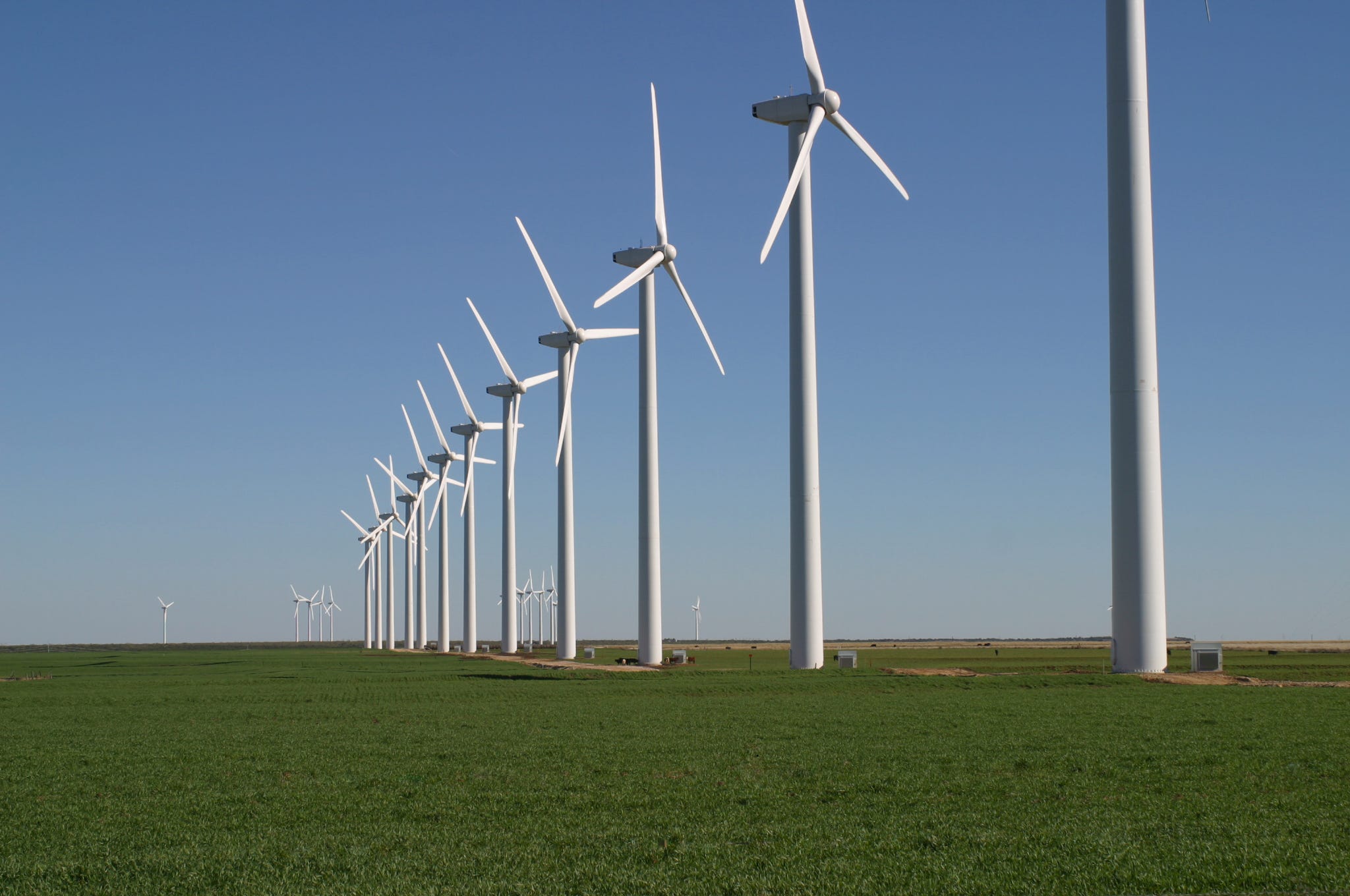
The post critiques the political resistance to renewable energy advancements, emphasizing the economic benefits of renewables and the detrimental impact of current policies on progress.

Bill McBride discusses the increase in active single-family housing inventory and its comparison to previous years, highlighting trends and data from Altos Research.

A discussion on the implications of the dollar's decline for America's financial dominance and investor concerns regarding its future stability.

Camila Domonoske discusses the issue of orphan oil and gas wells in the U.S. and the environmental risks they pose.

Danielle Kurtzleben discusses the administration's changing plans regarding trade negotiations and the upcoming announcement of new tariff rates.
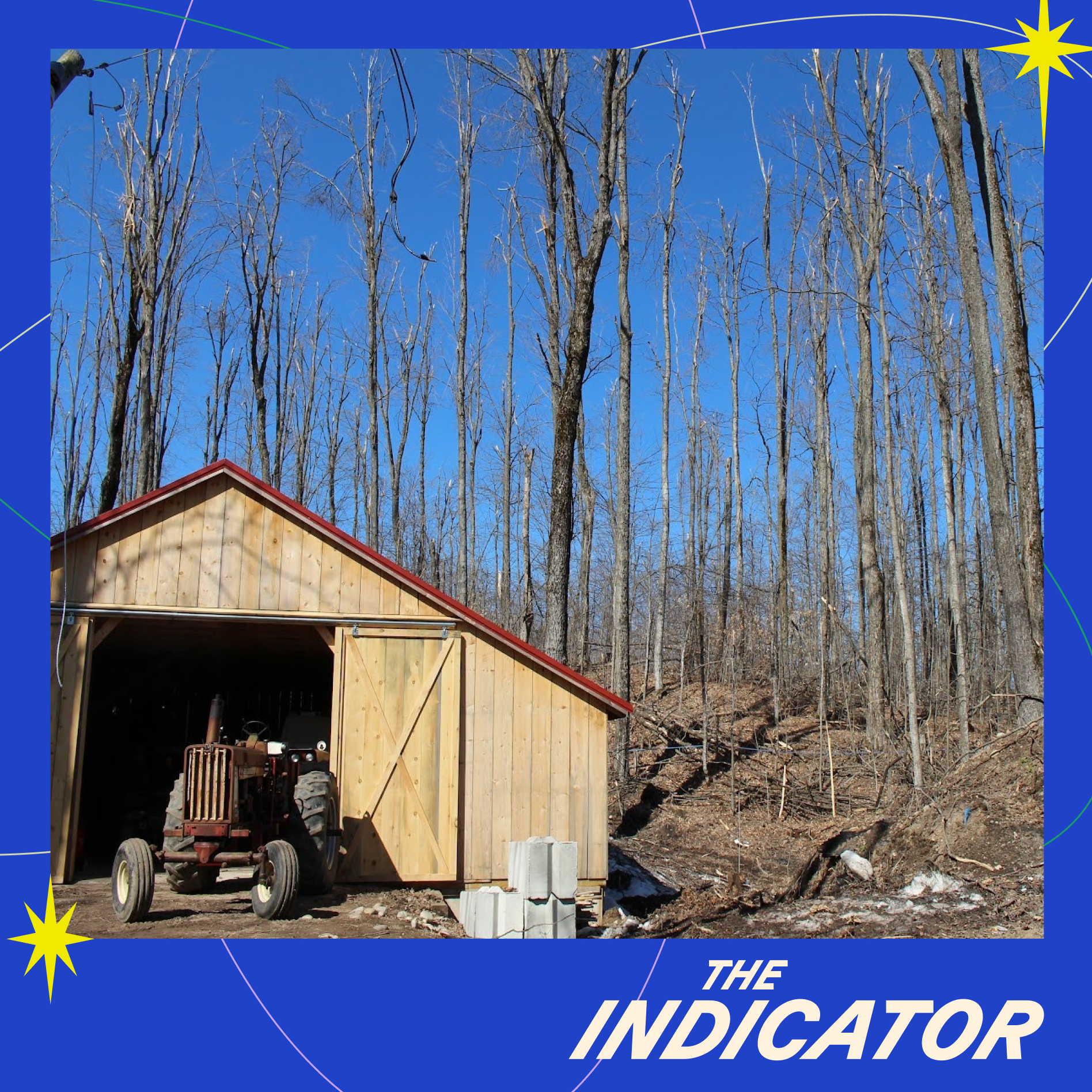
Ellie Katz discusses the reasons trees aren't insured like other crops and the implications of rising extreme weather events on insurance availability.

Menzie Chinn analyzes the relationship between civilian and nonfarm payroll employment, suggesting concerns if civilian employment peaks before nonfarm payrolls.

Menzie Chinn discusses the economic implications of policy changes affecting deficits, spending, and the impact on lower-income households' anxiety and consumption.

David Henderson discusses immigration, economic growth, and cultural integration in Cincinnati, highlighting historical and contemporary perspectives on these issues.

An argument that market economies create inequality, which governments can mitigate through redistribution, yet political power remains disproportionately held by the wealthy in the U.S.

Bill McBride discusses the relationship between educational attainment and unemployment rates in the U.S. labor force, highlighting trends and implications for the future.

The author recounts experiences in Switzerland, including teaching econometrics, a suitcase theft on a train, and traveling to meet family in Spain.

Noah Smith reflects on the changing values in America, expressing concern over rising anger and a longing for a more tolerant society.
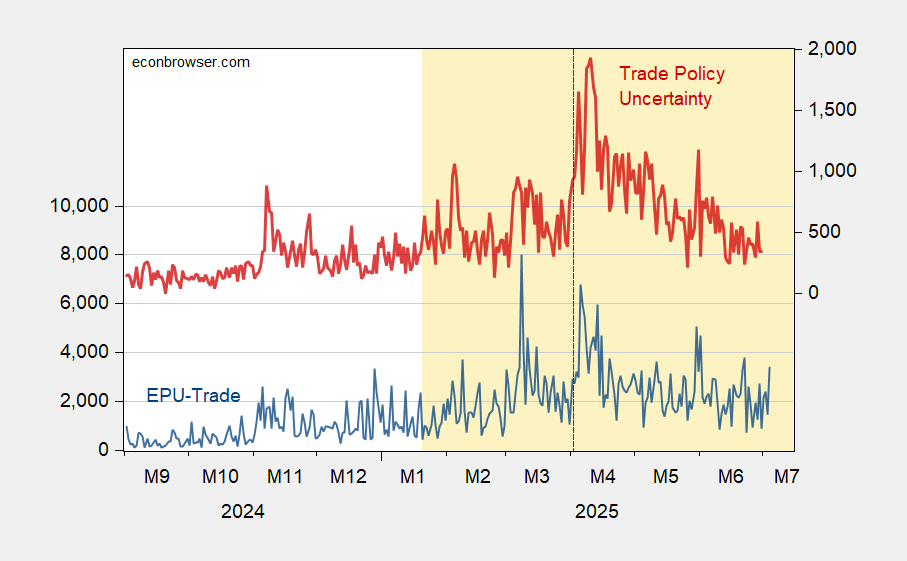
An argument that recent increases in trade policy uncertainty are linked to various political events and initiatives, highlighting their impact on economic conditions.
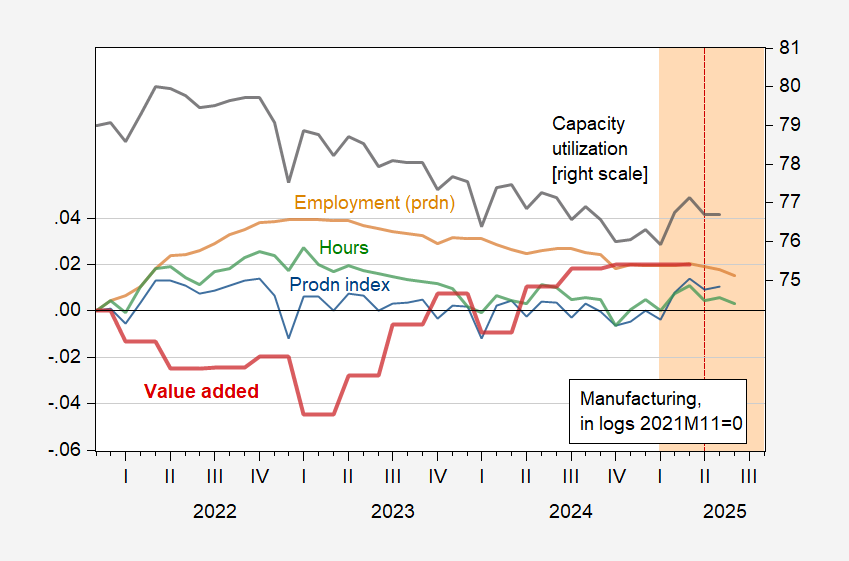
Menzie Chinn discusses the decline in manufacturing employment and hours, highlighting economic indicators and the potential impact of trade deals on recovery.
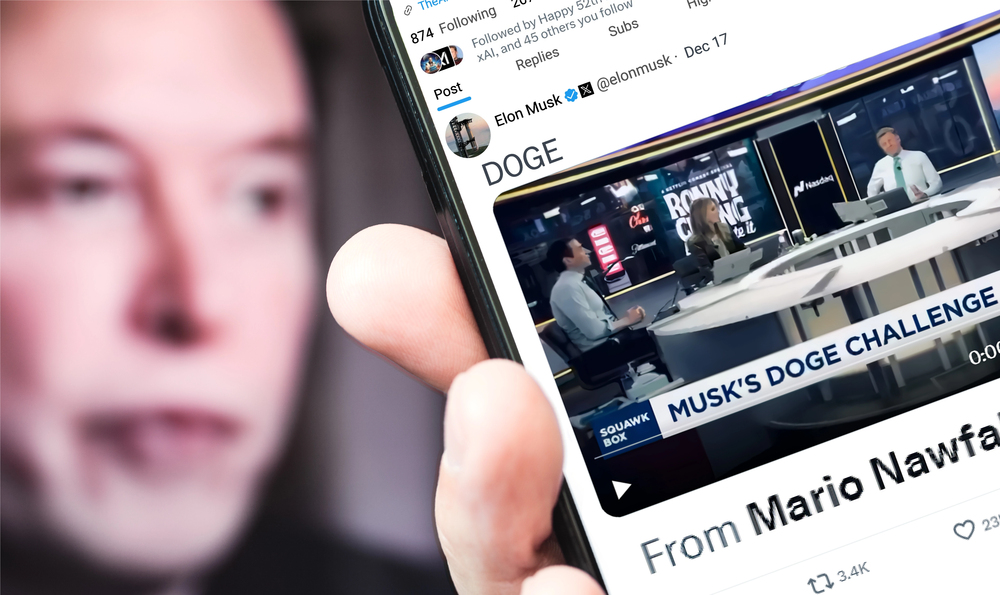
Kevin Corcoran argues that DOGE's failure stems from unrealistic expectations and the inability to address significant federal spending issues, particularly in mandatory programs.

An argument that explores the recurrence of truncation in production techniques and the implications of parameter variations in a four-dimensional space.

Paul Krugman discusses Jonathan Gruber's role in the Affordable Care Act and the political challenges facing health care in America today.
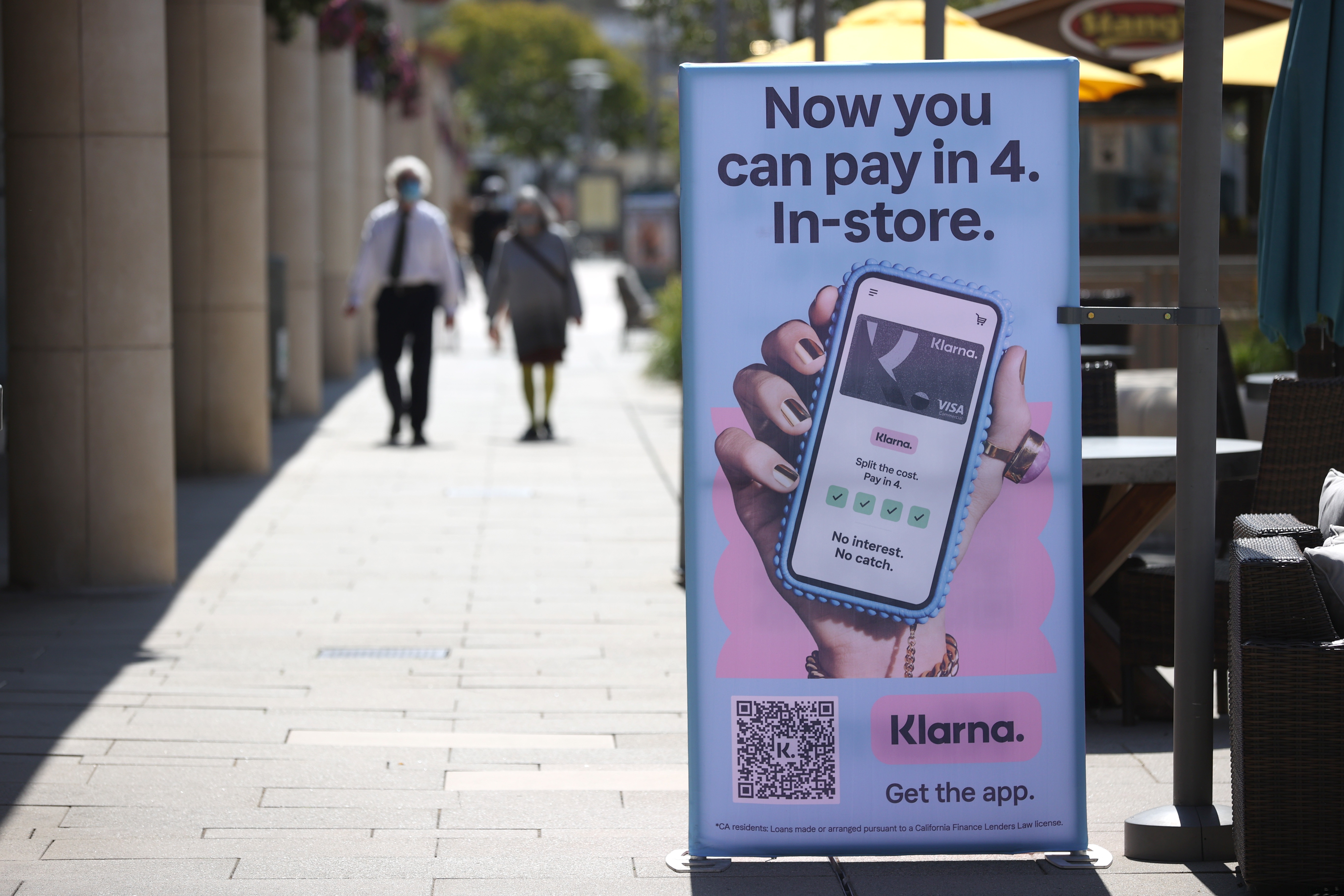
The impact of 'buy now, pay later' services on credit scores and their implications for consumers, particularly younger and lower-income individuals, is discussed.