
2081. British Industrial Policy: This Time Is Different
Pierre Lemieux discusses the resurgence of industrial policy in Britain, arguing it reflects misguided ideological beliefs about government intervention in the economy.
your daily dose of economic commentary
Pierre Lemieux discusses the resurgence of industrial policy in Britain, arguing it reflects misguided ideological beliefs about government intervention in the economy.

The post discusses the Supreme Court's decision allowing the Trump administration to proceed with mass federal layoffs temporarily.

Timothy Taylor discusses how Latin America's slow economic growth can be traced back over a century, highlighting technological stagnation and foreign dependency.

The post discusses consumer spending behavior during Prime Day amidst economic factors like tariffs affecting prices and purchasing decisions.

The author discusses various stories highlighting economic principles and their applications, including car pricing, employment data, and AI's impact on communication.

Jon Murphy critiques Treasury Secretary Scott Bessent's tweet about stablecoins and their impact on US Treasury demand, highlighting fundamental economic misunderstandings.
An exploration of India's unique cultural pluralism, emphasizing its ability to embrace diversity and coexistence in a way that offers lessons for a polarized world.

Paul Krugman discusses the implications of Trump's new tariffs on trade with South Korea and Japan, emphasizing their historical significance and potential economic impact.

A roundup of five intriguing recent economics studies highlighting various economic phenomena and insights.

The post discusses the challenges and processes involved in plugging old gas and oil wells in the U.S. to prevent environmental hazards.

The discussion centers on AI's potential to enhance productivity, presenting estimates of its economic impact and factors influencing its adoption and effectiveness across various sectors.
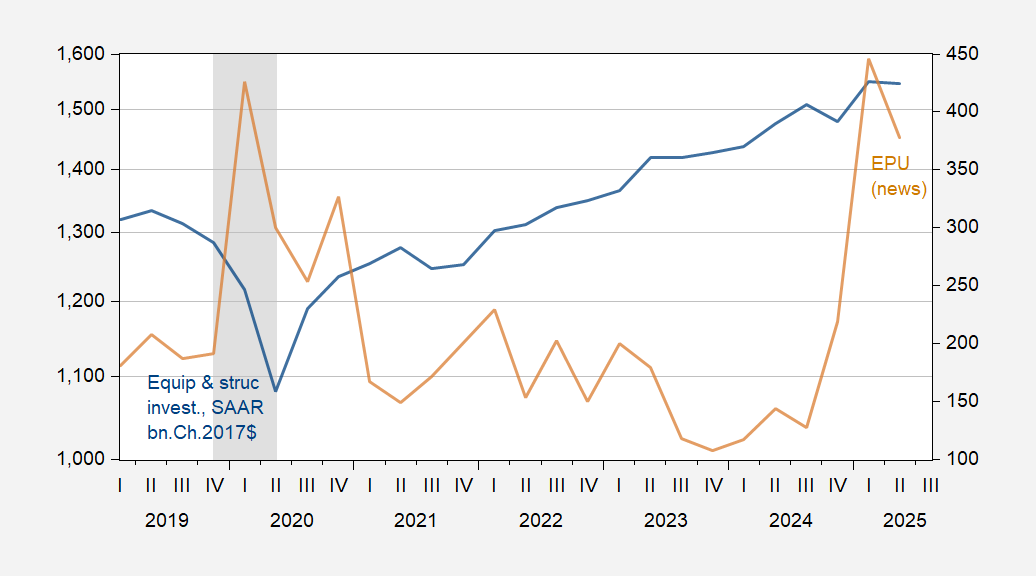
An argument that policy uncertainty impacts business fixed investment, with a focus on historical data and trends related to economic performance.
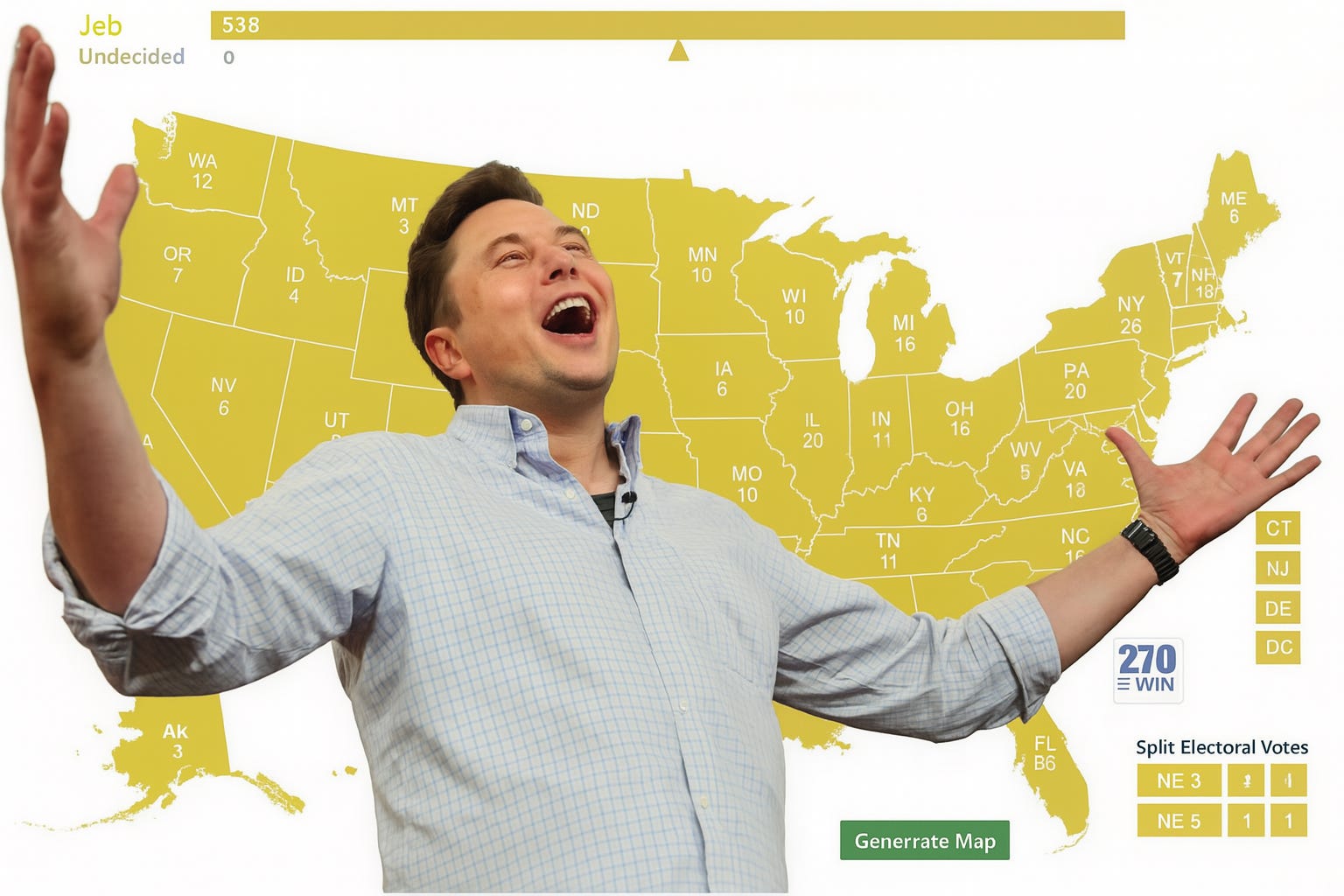
An argument that the America Party, potentially linked to Elon Musk, may face challenges similar to past third-party movements in U.S. politics.

The post discusses wage growth in America, the relationship between women's education and fertility, and the implications of AI on jobs and the economy.

Bill McBride discusses the recent increase in lumber prices and the impact of contract changes on price comparisons.

Scott Cunningham reflects on his experiences with diff-in-diff methodology, its implications in economics, and the narratives that shape his understanding of empirical research.
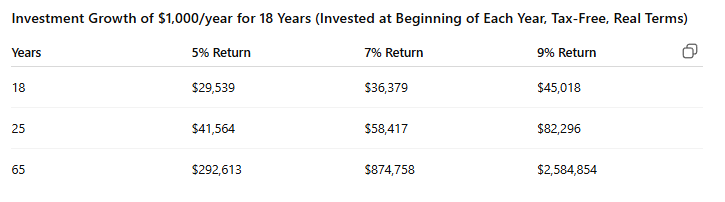
The post discusses a new initiative providing investment accounts for newborns, highlighting its potential impact on social welfare and future economic security.

Home price growth is slowing, with early signs of homeowner risk emerging due to high mortgage rates and increasing inventory.

The post explores how Amazon Prime Day exemplifies price discrimination, highlighting its economic implications and strategies for maximizing profits through consumer behavior.

The post critiques the political resistance to renewable energy advancements, emphasizing the economic benefits of renewables and the detrimental impact of current policies on progress.