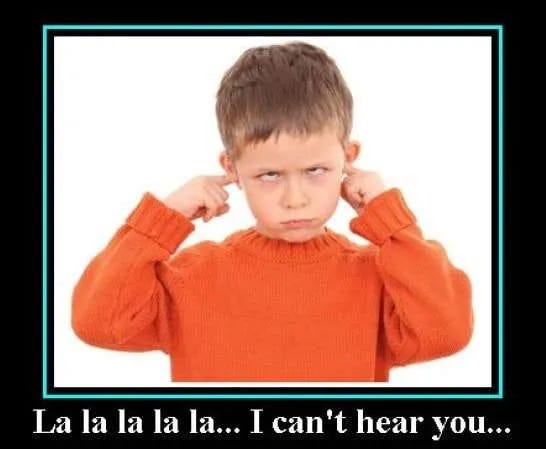
2001. For MAGA, Ignorance is Strength
An argument that the Trump administration's budget cuts to NOAA undermine scientific research and public goods, reflecting a broader agenda against climate science and government functionality.
your daily dose of economic commentary
An argument that the Trump administration's budget cuts to NOAA undermine scientific research and public goods, reflecting a broader agenda against climate science and government functionality.

Scott Horsley discusses the rise in consumer prices in June, attributing it to the impact of President Trump's tariffs.

The post analyzes year-over-year inflation measures for services, goods, and shelter, highlighting changes in prices and trends through June 2025.

The post discusses how the current season of a free economics course focuses on the government's significant role in the economy.

Russell Lewis discusses the successful splashdown of four astronauts after Axiom Space's Ax-4 mission, highlighting Peggy Whitson's record-setting space duration.

An argument that tariffs imposed by the Trump administration disproportionately affect low-income households by targeting their preferred goods.

Rafael Nam discusses the rising interest in stablecoins and the regulatory measures Congress is considering for them.

Michael Copley discusses how the absence of renewable energy policies may lead to increased power prices as federal clean energy tax incentives are set to expire.
Tyler Cowen discusses the implications of AI discourse, criticizing doomsday narratives and emphasizing the importance of responsible communication about AI's potential.
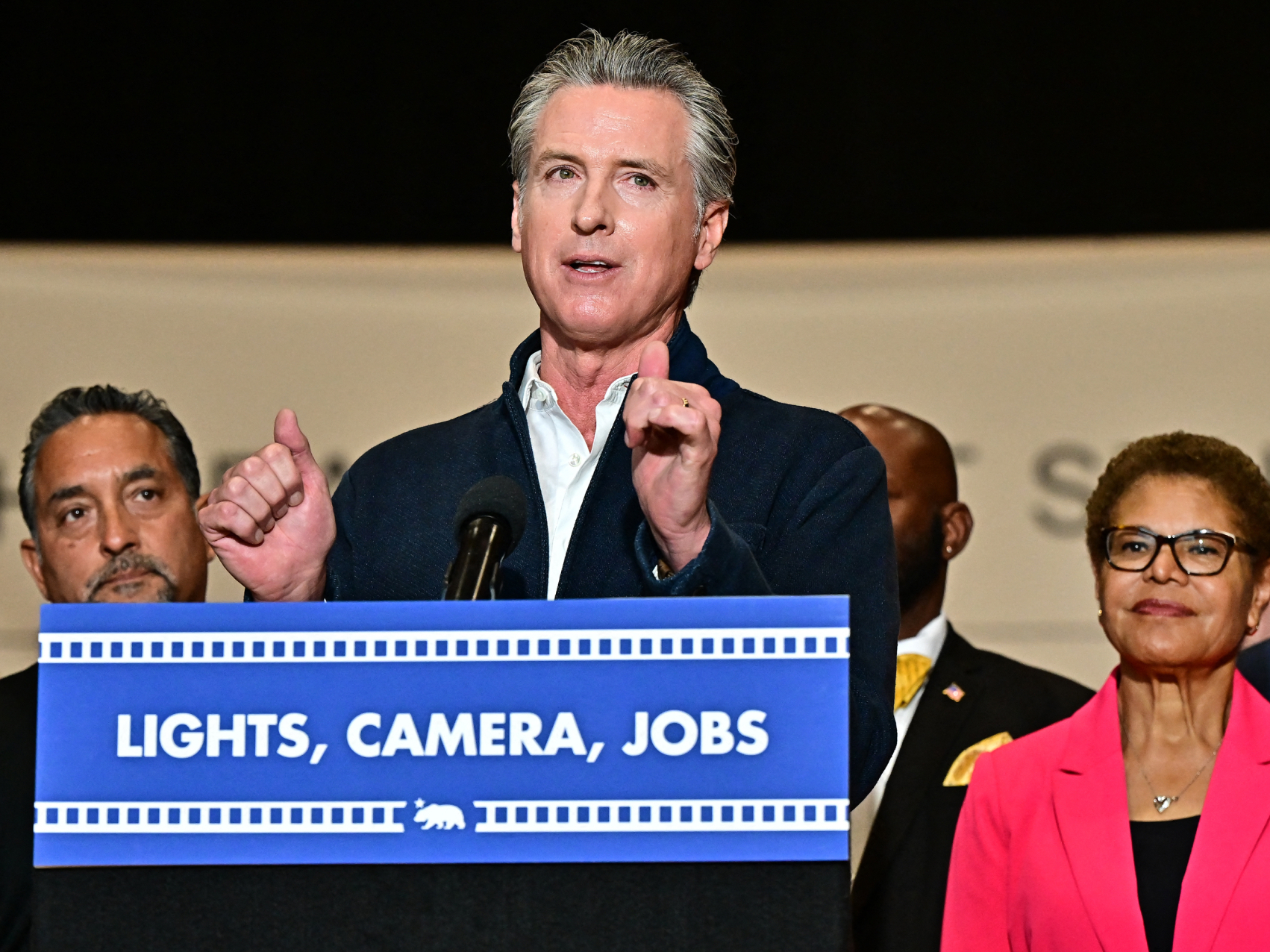
Darian Woods discusses the decline of film production in Los Angeles due to competition from states and countries offering production subsidies.
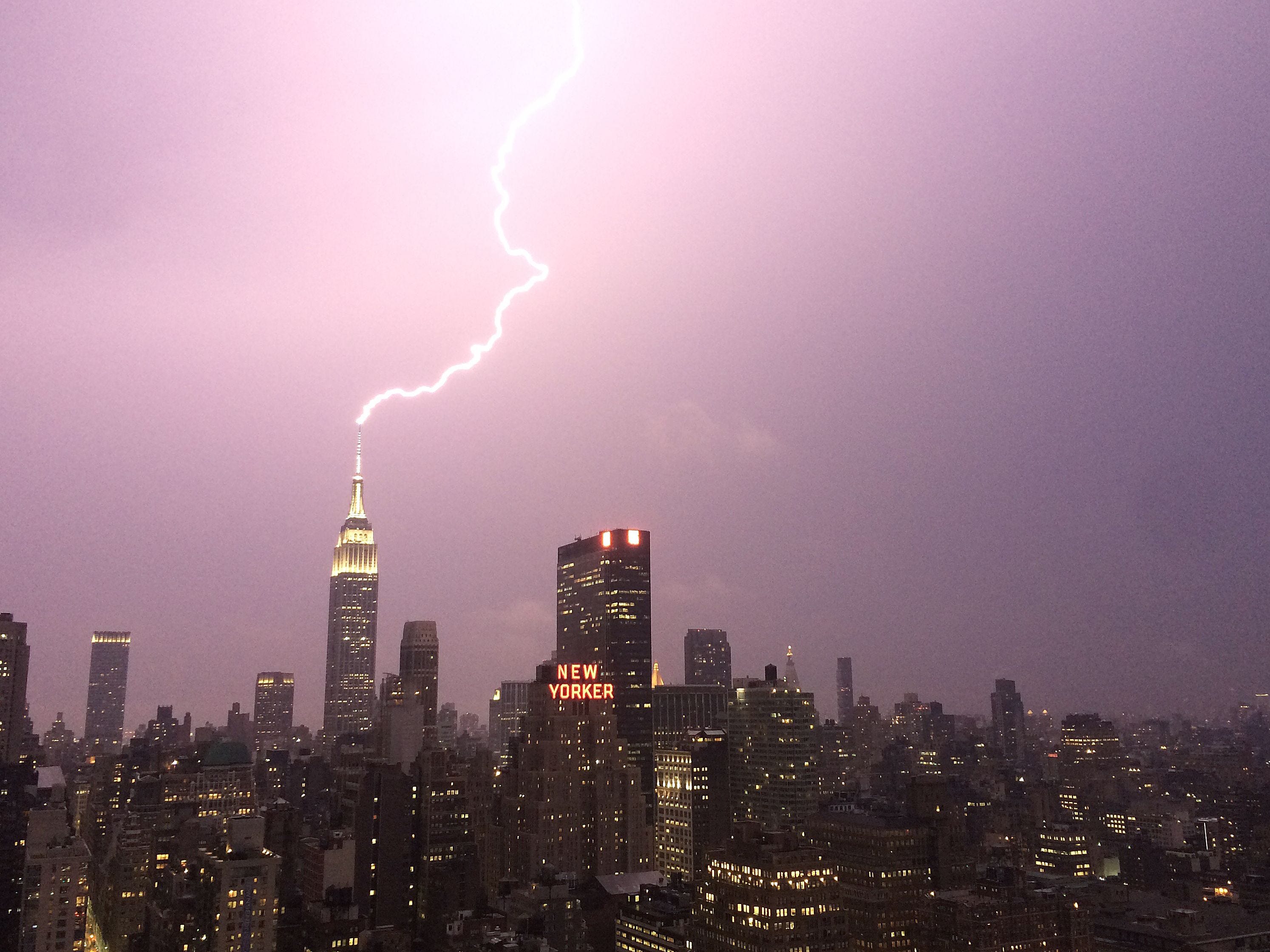
Nate Silver discusses various reader questions about political implications of the One Big Beautiful Bill and its effects on the midterms and public perception.

Bill McBride discusses upcoming economic reports, specifically the Consumer Price Index and the New York Fed manufacturing survey, and their implications for interest rates.

A $2.5 billion renovation of the Federal Reserve's headquarters is facing criticism from the Trump administration amid ongoing tensions over interest rate policies.
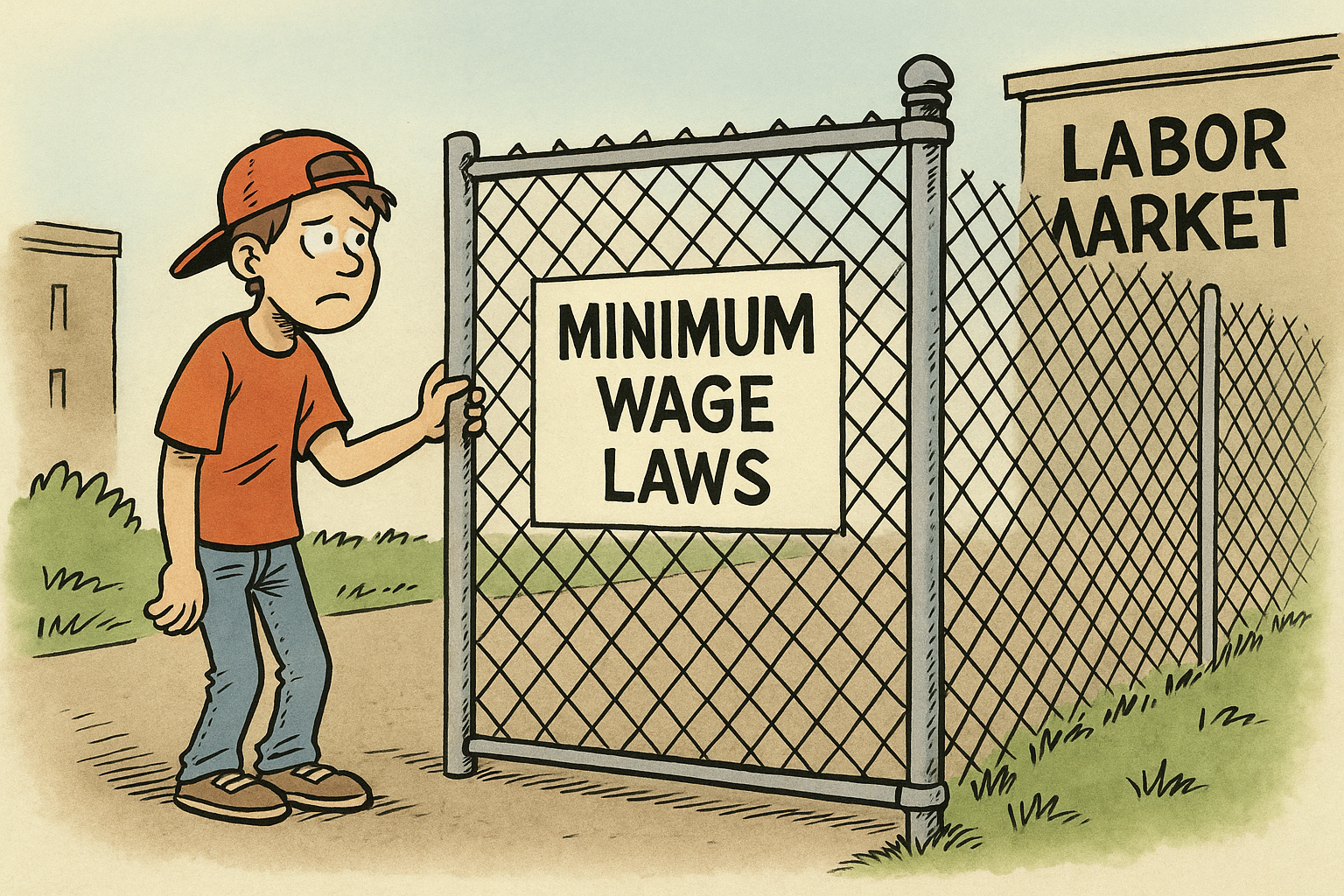
Walter Block argues that minimum wage laws harm the economically weakest individuals, preventing them from obtaining jobs that match their productivity levels.

Bill McBride discusses the upcoming Consumer Price Index release, consensus forecasts, and factors influencing inflation trends.

The post examines the recent increase in American savings, exploring both optimistic and pessimistic interpretations of this trend in relation to economic confidence and consumer behavior.

Paul Krugman discusses the political implications of immigration policies under Trump, highlighting public disapproval of his approach and the reality of immigrant crime rates.

Bill McBride discusses the recent trends in single-family housing inventory, noting a week-over-week decline and comparisons to previous years.

The post discusses the impact of industrial policy on developing countries' economic growth, highlighting challenges and opportunities in the post-pandemic landscape.

An argument that tariffs proposed by Trump will persist and negatively impact U.S. consumers, according to economist Paul Krugman.