
1881. The General Theory of Enshittification
An argument that businesses exploit customers after building a user base, leading to dissatisfaction and potential stagnation, particularly in tech platforms with network effects.
your daily dose of economic commentary
An argument that businesses exploit customers after building a user base, leading to dissatisfaction and potential stagnation, particularly in tech platforms with network effects.

An argument that Democrats may be misdirecting blame towards grocery stores for rising food prices, rather than addressing underlying market dynamics and inflation issues.

Bill McBride discusses the increase in new home sales to an annual rate of 627,000 in June, along with supply metrics and historical comparisons.
The discussion focuses on the functions and limitations of the English government in the 14th century, including taxation, law-making, and the role of landed nobles.

An argument that cutting interest rates may not necessarily lead to cheaper homebuying, highlighting potential negative consequences.

Robert Smith discusses how Americans are finding ways to save money on vacations, highlighting economic trends and consumer behavior.
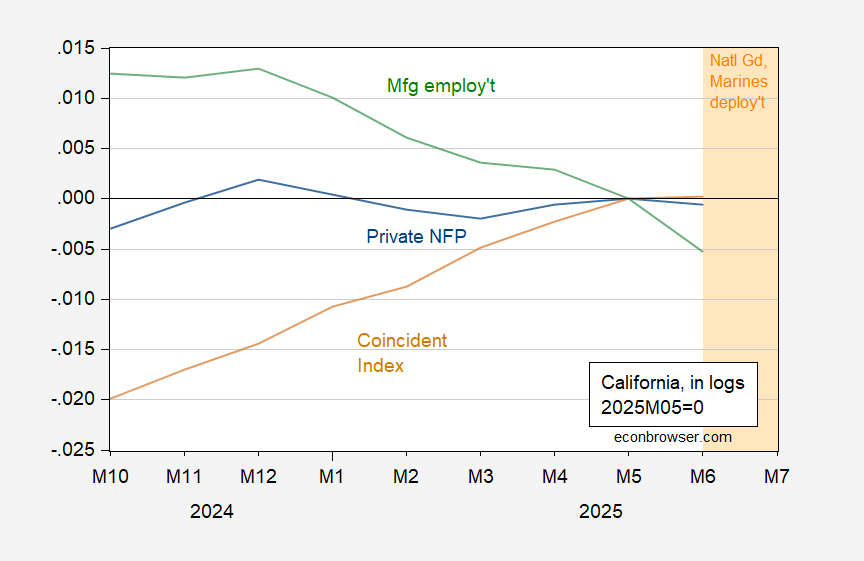
Menzie Chinn discusses the economic decline in California due to federal actions and their effects on employment and agriculture.

The post discusses the decline in architecture firm billings while noting an increase in project inquiries, indicating potential future growth despite ongoing economic challenges in the sector.
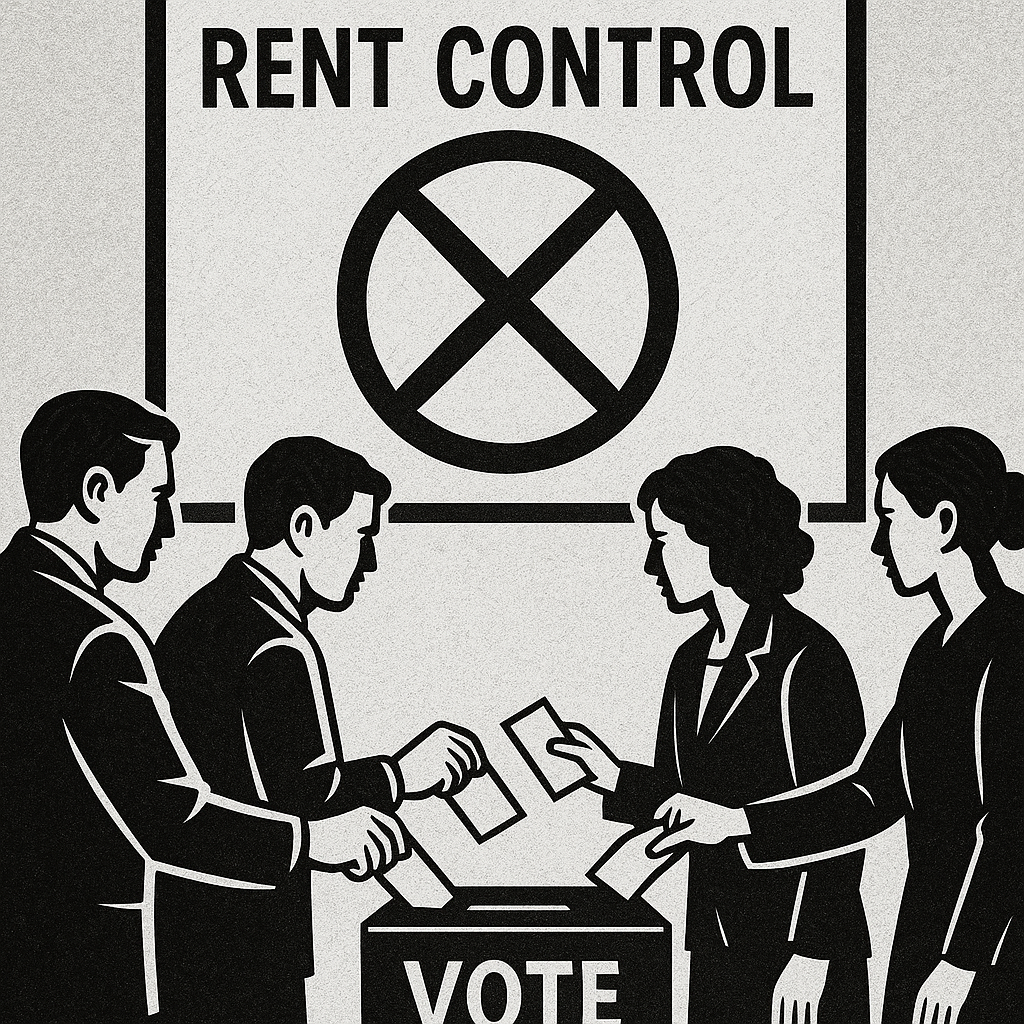
The discussion highlights the disconnect between public opinion polls and actual policy outcomes regarding rent control, emphasizing the complexities of public sentiment on economic issues.
Timothy Taylor discusses five potential methods to address the rising US debt-to-GDP ratio, emphasizing the economic and political implications of each option.

An argument that new executive orders target tech companies over perceived "woke AI," linking federal contracts to compliance with these policies.

John Ruwitch discusses Tesla's profit decline and sales drop, highlighting the impact on the company despite Elon Musk's renewed focus on his businesses.

An argument that Georgia has become essential for Democrats, highlighting demographic shifts and electoral trends that influence the state's political landscape ahead of the 2026 midterms.

The post contrasts the mythical land of Cockaigne with real grocery stores, emphasizing how market systems and prices effectively address scarcity and incentivize production and consumption.

Bill McBride discusses the increase in coincident indexes for 40 states in June, indicating positive economic trends based on employment and other indicators.
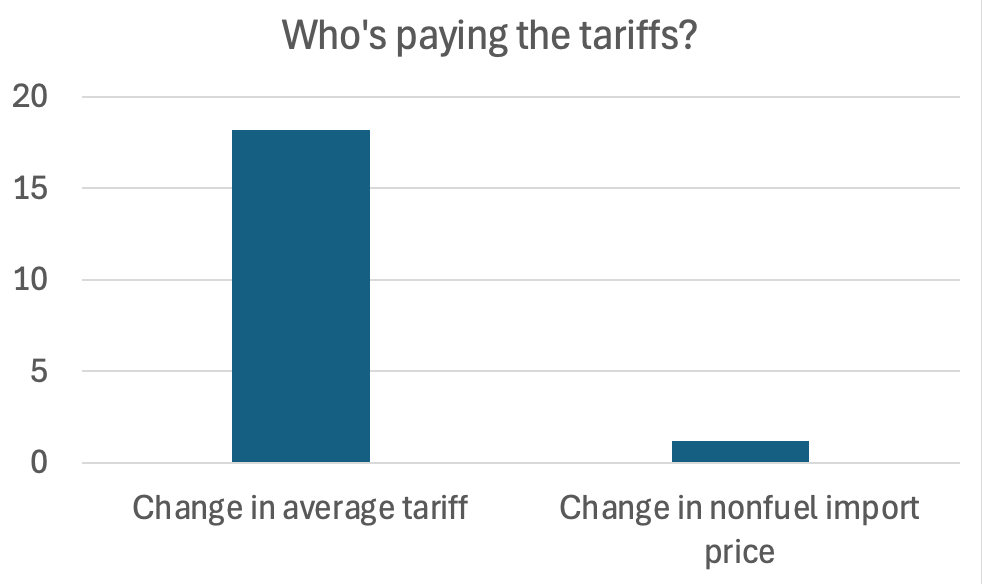
Paul Krugman discusses the implications of the Trump administration's trade deal with Japan, highlighting its potential to increase the trade deficit and crony capitalism.

Paul Krugman discusses the potential dangers of ICE's actions in New York City and critiques the false narratives surrounding urban crime and immigration.

Bill McBride discusses a 2.7% decrease in existing-home sales in June, highlighting trends in inventory and regional variations.

Scott Cunningham discusses a workshop aimed at graduate students and early-career economists, focusing on essential skills not taught in graduate school.

Mortgage applications rose slightly, with purchase applications increasing year-over-year, while refinance applications declined due to high interest rates impacting borrowers.