
1821. With 'WTF' ending, podcaster Marc Maron still wants to talk, but outside the studio
The post reflects on Marc Maron's feelings about ending his podcast and the meaningful conversations it provided.
your daily dose of economic commentary
The post reflects on Marc Maron's feelings about ending his podcast and the meaningful conversations it provided.

Paul Krugman critiques Trump's trade deal with the EU, arguing it offers minimal benefits and reflects poor negotiation strategy.

Bill McBride discusses the U.S. job openings data for June, noting a decrease to 7.4 million and providing insights into labor market trends.
Robert Vienneau discusses the ideological split between revolutionary and reformist socialists around 1900, highlighting key figures and their differing views on socialism's future.

The post discusses the May home price indices, highlighting a 2.3% annual increase and trends in various city composites, indicating a slowdown in price momentum.

Alina Selyukh discusses how tariffs have caused slight price increases on certain items while companies are managing to delay broader price hikes.

A Martínez discusses the objectives of the U.S. and China in their ongoing trade negotiations.
An argument that AI's impact on lowering living costs for Americans will be slow due to various systemic constraints, despite potential long-term benefits in productivity and innovation.

The post discusses an ad campaign featuring a celebrity and its potential implications for advertising trends, particularly regarding inclusivity.
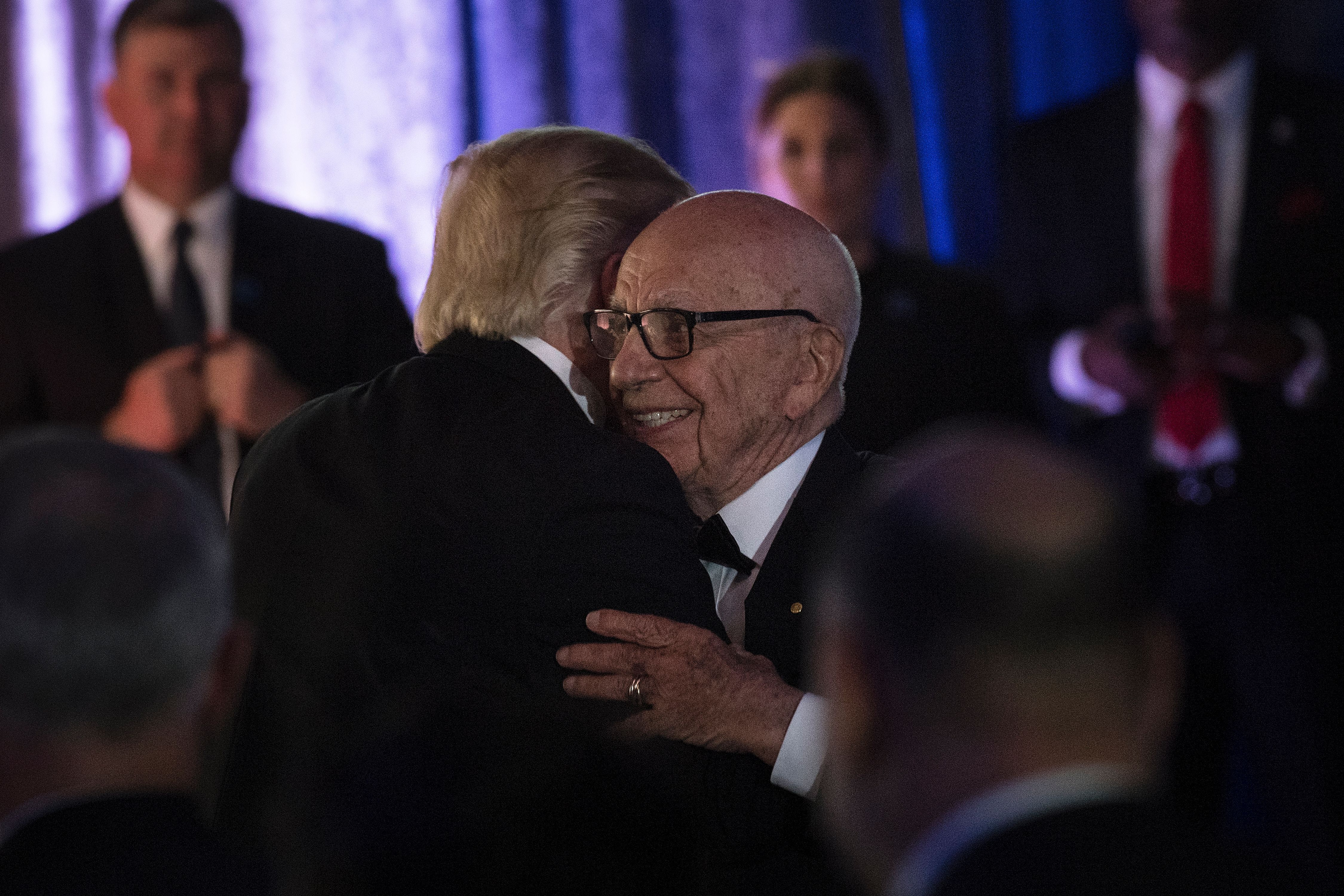
A lawsuit reveals personal tensions between Trump and Murdoch over reporting related to Epstein, highlighting their complicated friendship and media dynamics.

An argument that explores the BRICS alliance's significance, its challenges with US tariffs, and the historical dominance of Western economic organizations.
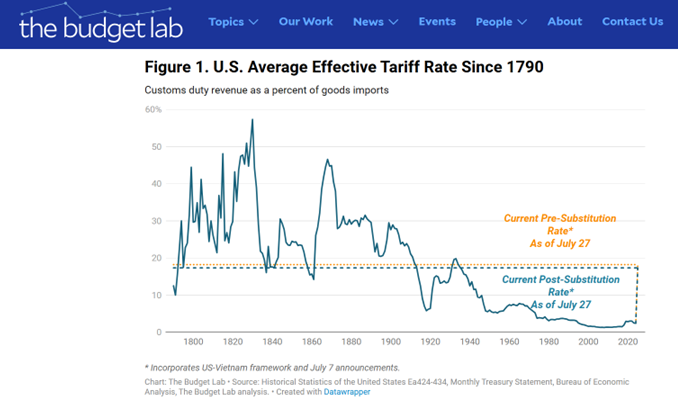
An argument that the impact of tariffs may not yet be evident, suggesting potential benefits and questioning conventional economic wisdom regarding their effects on the U.S. economy.
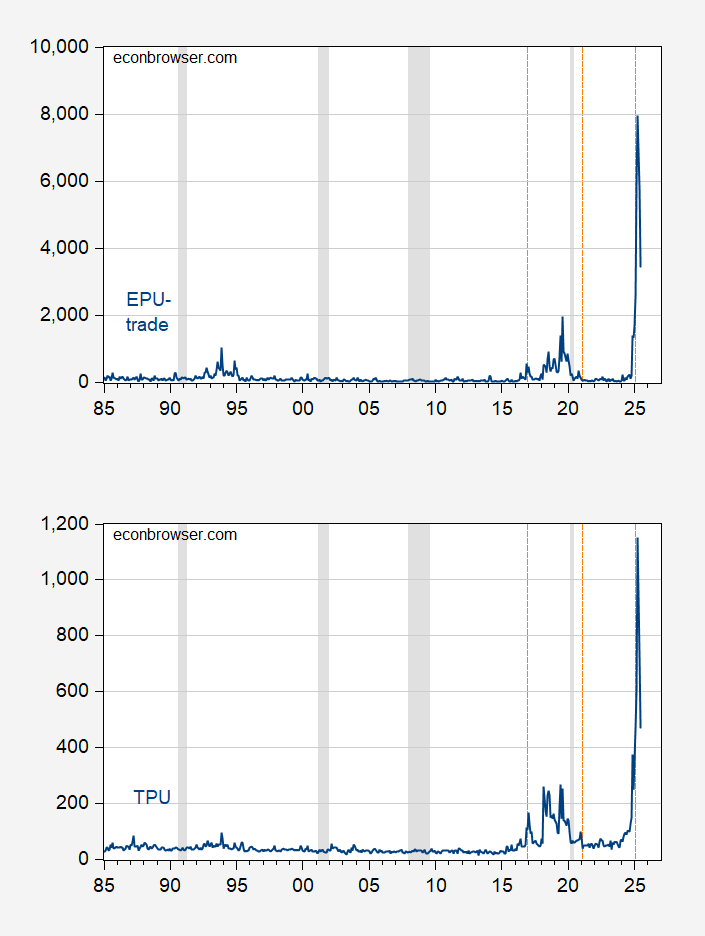
An argument that the potential striking down of IEEPA tariffs could lead to significant economic repercussions and policy uncertainty, affecting trade and investment.
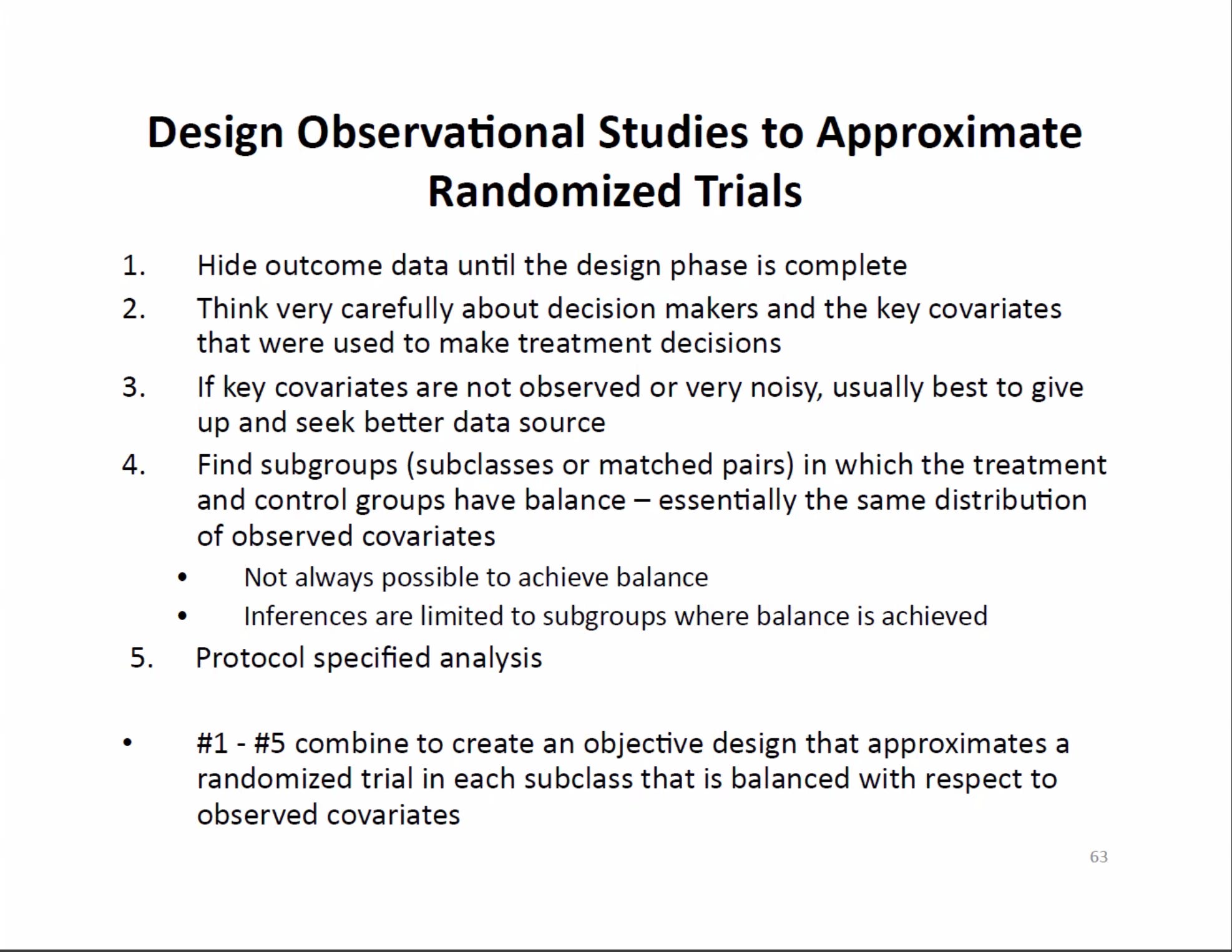
Scott Cunningham discusses Don Rubin's perspective on covariates in observational studies, emphasizing their role in replicating RCTs rather than merely addressing omitted variable bias.
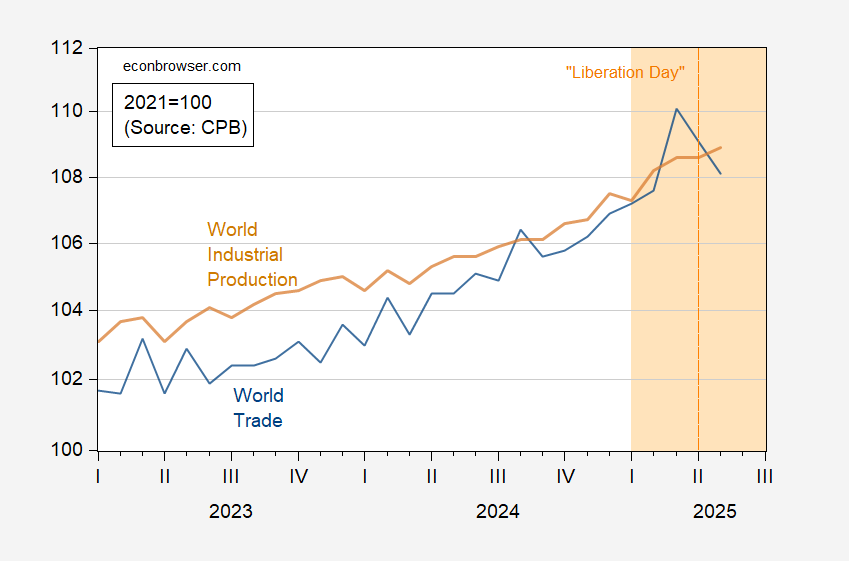
Menzie Chinn analyzes recent world trade data, highlighting the impact of tariffs and trade agreements during the Trump administration.
Tyler Cowen discusses the implications of the EU-USA trade deal, focusing on economic weaknesses in Europe and the political dynamics surrounding tariffs and taxation.

The post discusses the Q2 2025 homeownership and vacancy rates, highlighting concerns about the accuracy of the Census Bureau's survey data and its pandemic distortions.

The post discusses the economic implications of a minor airport security policy change, highlighting the cumulative lost time for millions of travelers due to shoe removal at checkpoints.
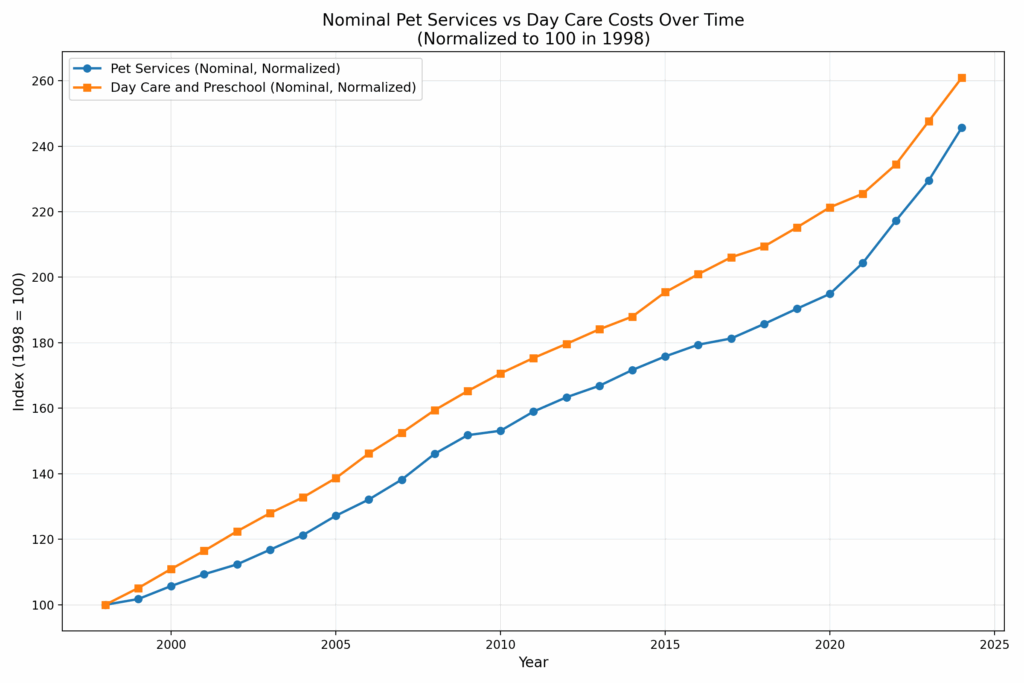
An argument that rising costs of child and pet care are influenced by the Baumol effect and productivity disparities across industries rather than solely by regulation.

Paul Krugman discusses Atlanta's urbanization challenges, focusing on affordability and traffic issues that signal the limits of sprawl in metropolitan growth.