1661. Why Tariffs On More Countries Can Be Better
Alex Tabarrok explains that uniform tariffs on all countries can lead to better economic outcomes than selective tariffs, despite the latter seeming closer to free trade.
your daily dose of economic commentary
Alex Tabarrok explains that uniform tariffs on all countries can lead to better economic outcomes than selective tariffs, despite the latter seeming closer to free trade.

The discussion centers on international currency roles, the impact of U.S. tariffs, and the uncertainty surrounding Trump's policies on global economic credibility.

Key economic reports for the week include CPI, retail sales, and manufacturing surveys, with consensus forecasts provided for each indicator.
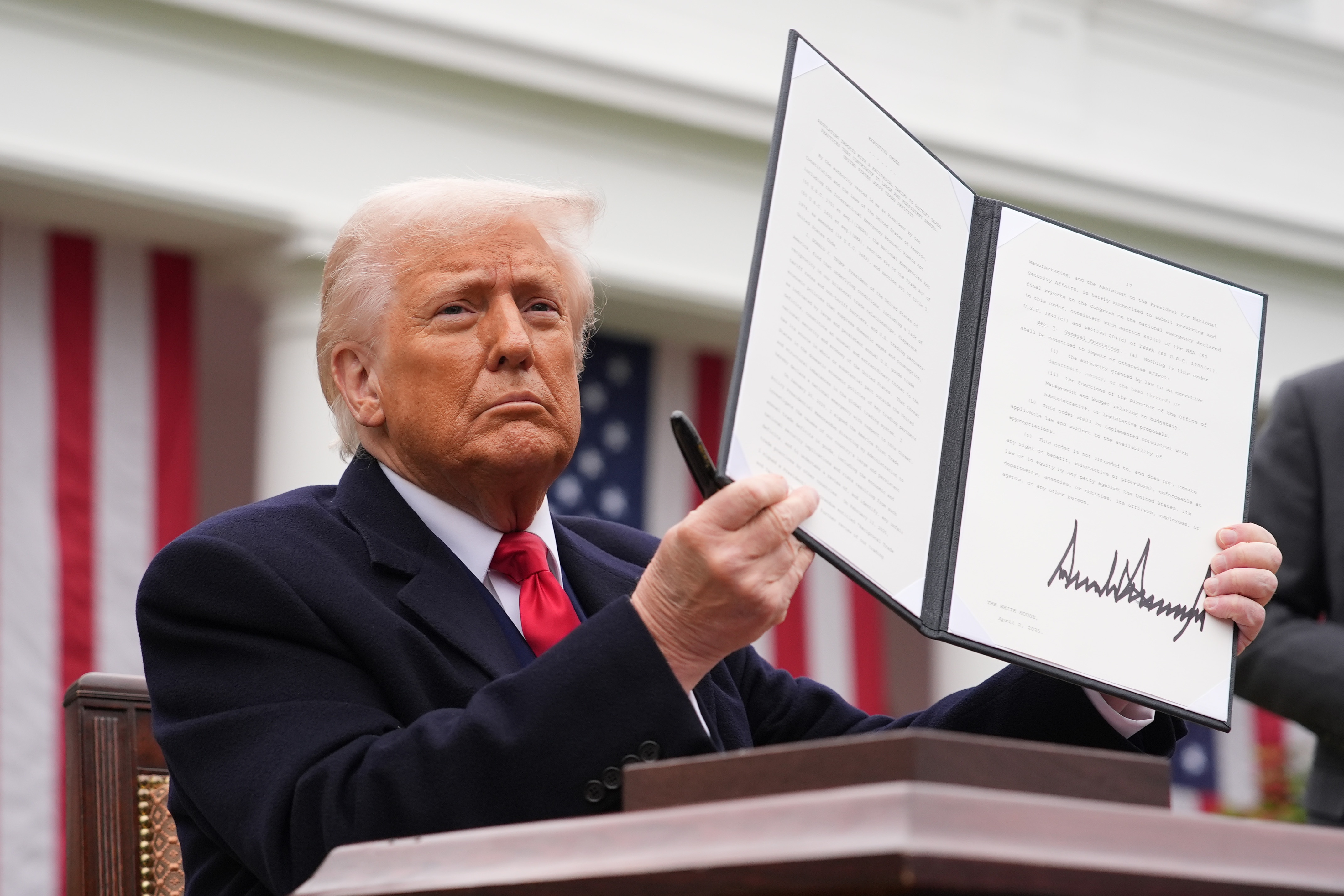
Common questions about tariffs and their implications on the economy are addressed, providing insights into their impact on inflation and recession.
The post describes the sights, culture, and experiences in Northern Ghana, highlighting art, local customs, and the unique characteristics of Tamale.

Mary Childs discusses the implications of government data manipulation, highlighting cases from Argentina and Greece to illustrate the challenges of restoring trust in economic statistics.

The post discusses cocoa market dynamics, including farmer exploitation, state monopsony, smuggling, and corruption in Ghana and Ivory Coast's cocoa industry.

Timothy Taylor discusses the significant number of jobs linked to exports and the potential risks posed by trade policies, particularly regarding US tariffs.

Joshua Gans explores the capabilities of ChatGPT-5 in storytelling, showcasing its engaging responses to whimsical prompts and reflecting on human-AI interaction.
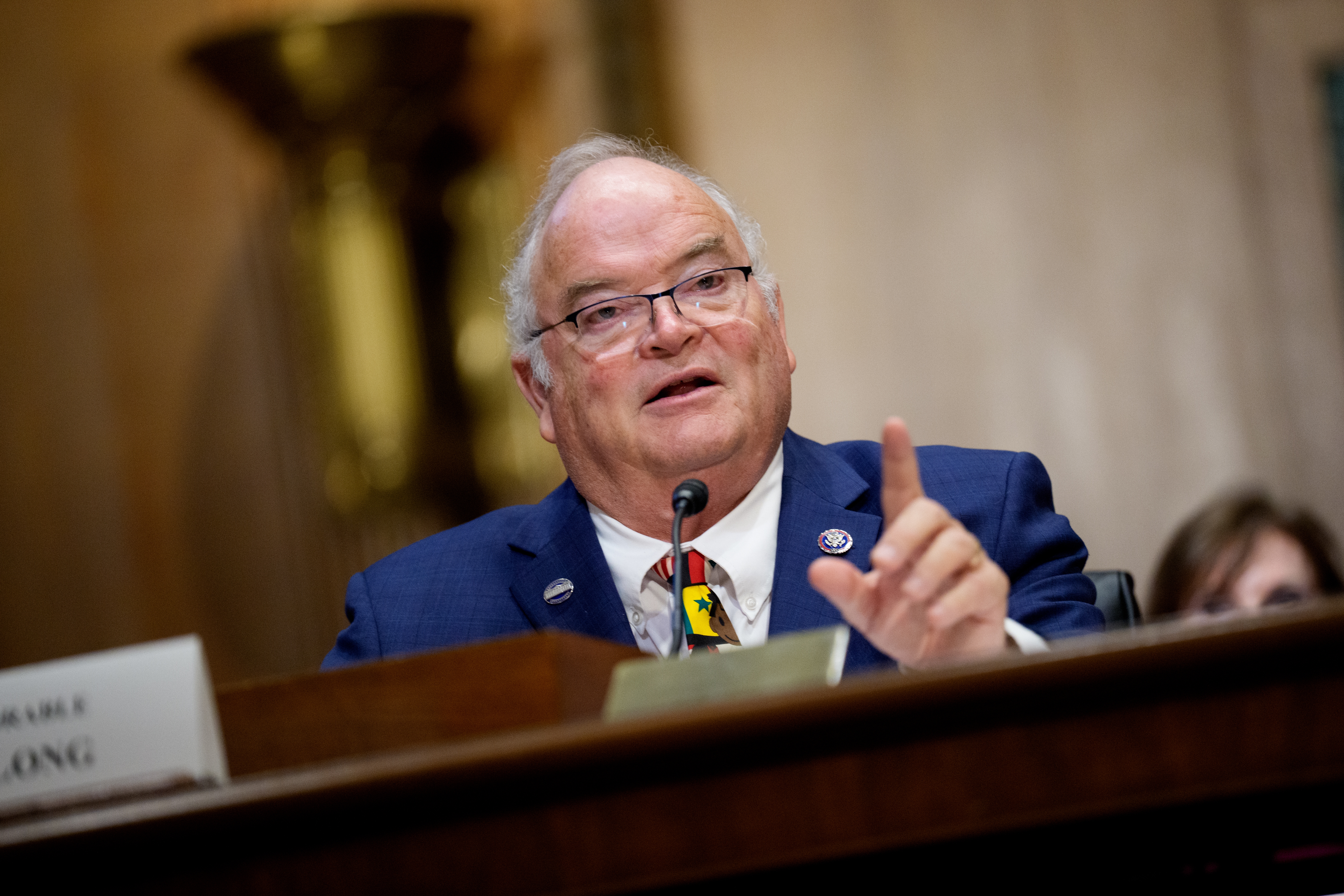
Scott Horsley discusses the replacement of IRS Commissioner Billy Long by the Trump administration after a brief tenure.

An argument that current economic policies, particularly tariffs and immigration restrictions, are likely to lead to inflation and potential stagflation in the U.S. economy.

Noah Smith discusses the advancements in cancer treatment, particularly focusing on mRNA vaccines and their potential to transform cancer from a death sentence into a manageable disease.
Robert Vienneau discusses the implications of non-reswitching theorems in economic models, particularly in relation to non-competitive markets and the Cambridge capital controversy.
Tyler Cowen discusses Meta's valuation increase due to AI investments and the implications for its future profitability and market expectations.

Juliana Kim discusses the decline in Las Vegas tourism and its implications for the U.S. economy and consumer confidence.

Darian Woods discusses Palantir's revenue growth, cuts to mRNA vaccine research, and the revival of a climate disaster database.

An argument that the US auto industry has adapted to globalization, maintaining output and employment despite shifts away from traditional manufacturing hubs like Detroit.
![“And you want to be my latex salesman?” (BLS edition) [updated 8/9/25]](https://econbrowser.com/wp-content/uploads/2025/08/ejantonipix.jpg)
The post discusses the potential nomination of EJ Antoni as BLS Commissioner and his controversial recession declarations, highlighting implications for economic analysis.
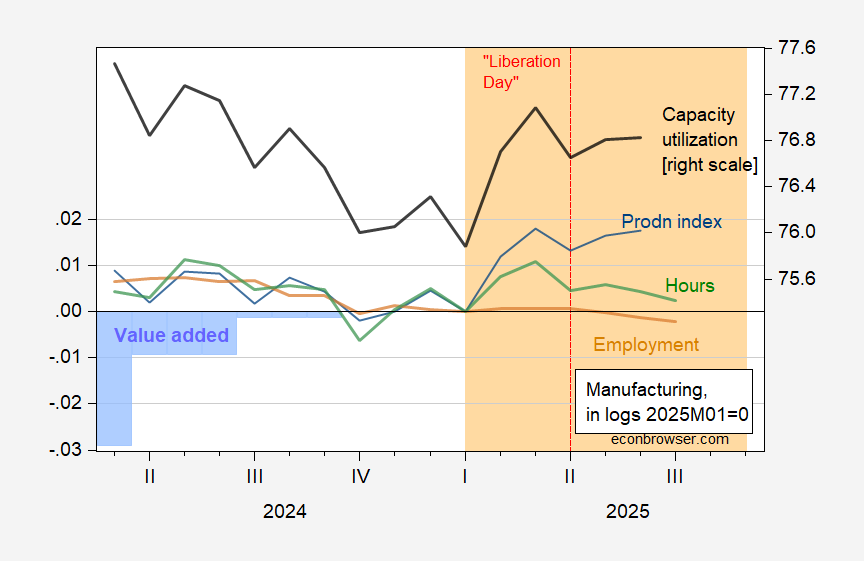
Menzie Chinn discusses the decline in manufacturing employment and production indicators since March 2025, highlighting economic trends and potential impacts of tariffs.

An argument that the UK government's capital gains tax changes have led to decreased revenue, highlighting the long-term effects of tax policy on economic behavior.