
1001. Shutdown has already delayed the jobs report. More critical reports could be held up
Scott Horsley discusses the impact of the federal shutdown on the release of critical economic reports, particularly the jobs report.
your daily dose of economic commentary
Scott Horsley discusses the impact of the federal shutdown on the release of critical economic reports, particularly the jobs report.

An argument that implicit rules significantly influence behavior, contrasting with explicit rules and genetic programming, using the kibbutz movement as a case study.

Scott Cunningham discusses upcoming workshops on machine learning, AI, and causal inference, emphasizing their relevance to economics and data science.

The post discusses recent GDP tracking estimates, highlighting changes in consumer spending and investment growth while noting the impact of a government shutdown on data releases.

Noah Smith discusses the fairness of capital income and the role of investors in the economy, questioning why investors are compensated for minimal effort.
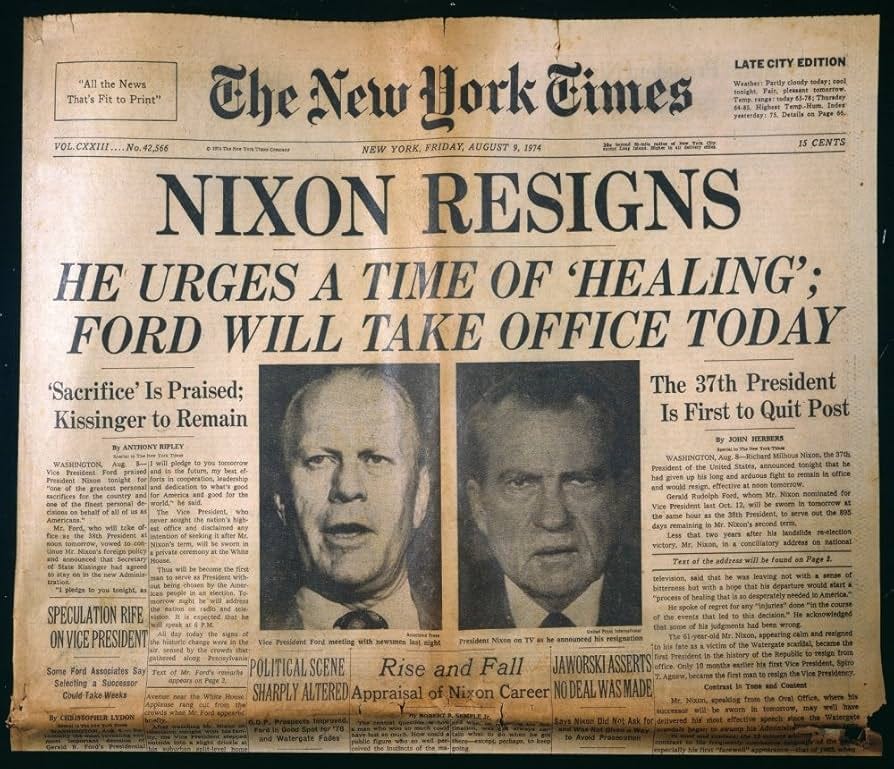
The post discusses the current threats to American democracy, emphasizing that Trump's actions reflect deeper systemic issues within the Republican party and political polarization.
David Folkenflik discusses how South Dakota Public Broadcasting adapts to funding losses by increasing reliance on NPR programs and shifting focus towards youth sports and less local news.

Timothy Taylor discusses the importance of financial inclusion and the challenges faced by unbanked and underbanked populations in the U.S. economy.
An argument that explores social differences in gender performance between conservatives and liberals in Washington politics, highlighting attire, behavior, and cultural norms.
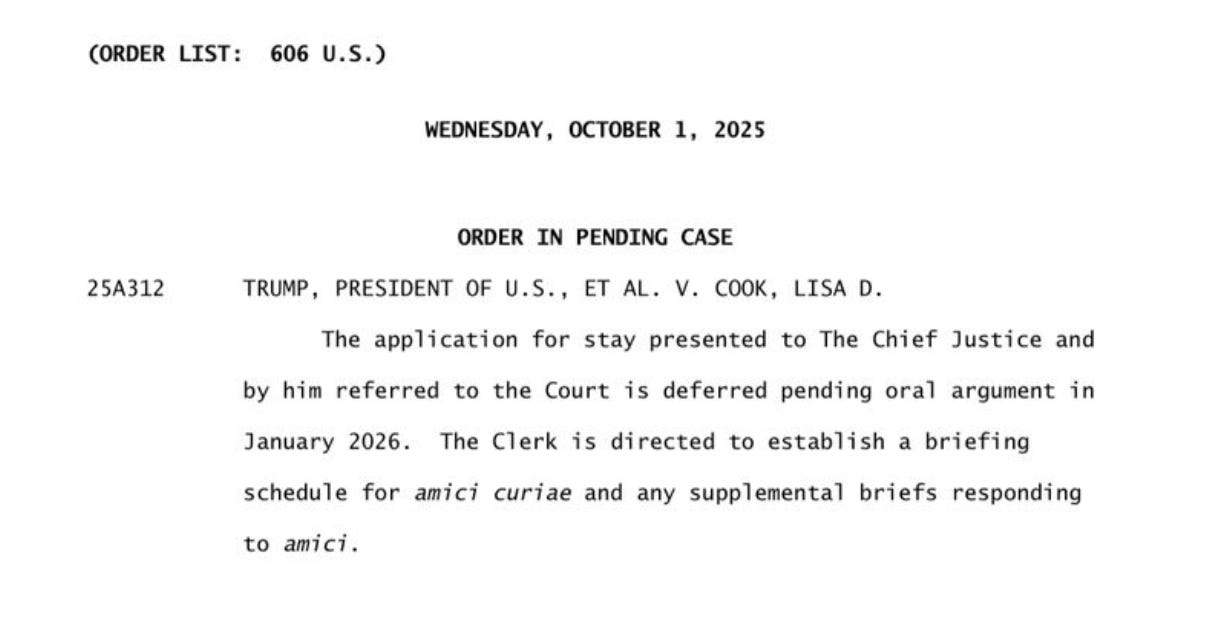
Claudia Sahm discusses the Supreme Court's delay in a case involving Fed Governor Lisa Cook, highlighting implications for Fed independence and political interference.

Marcos Falcone critiques government intervention in urban planning, advocating for market-driven solutions to improve community living and reduce inefficiencies.

The discussion focuses on the current state of inflation-adjusted house prices and the price-to-rent index, highlighting their decline from 2022 peaks.
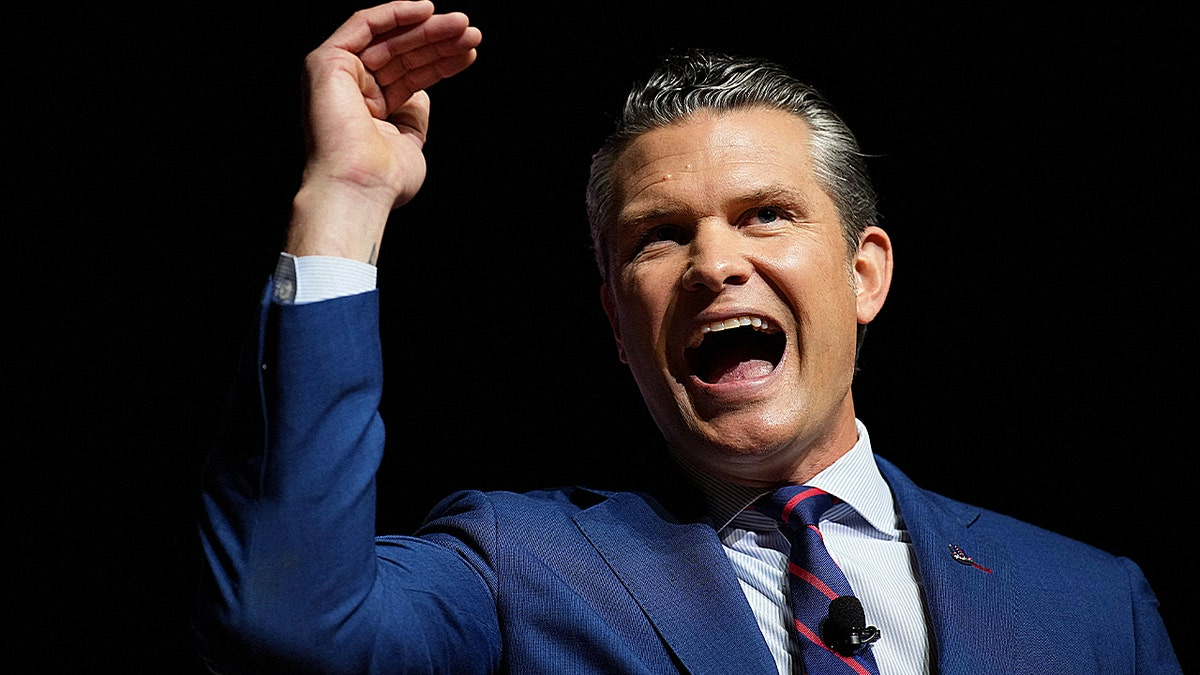
An argument that the current political climate reflects a decline in democratic norms, exacerbated by incompetent leadership and the prioritization of loyalty over competence.
Robert Vienneau discusses John Stuart Mill's views on meritocracy and socialism, highlighting Mill's belief in social justice and the protection of the vulnerable in society.

Light vehicle sales rose to 16.4 million SAAR in September, reflecting a 2% increase from August, with concerns about future sales in Q4 due to various market factors.
NPR Staff discusses the uncertainty surrounding Trump's tariffs and their potential effects on the economy.
The discussion centers on leadership, personal experiences in the NBA, and the complexities of athlete motivations and identities.
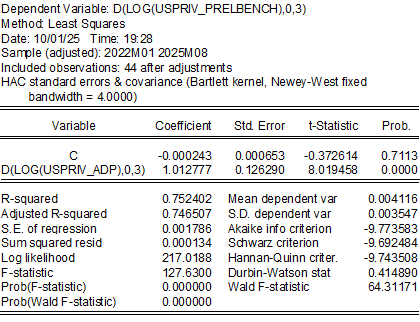
Menzie Chinn discusses the challenges and methodologies in nowcasting private nonfarm payroll employment using ADP data and its correlation with BLS data.

A nominee for a key data-gathering agency has withdrawn amid widespread criticism, with the White House planning to announce a new candidate soon.
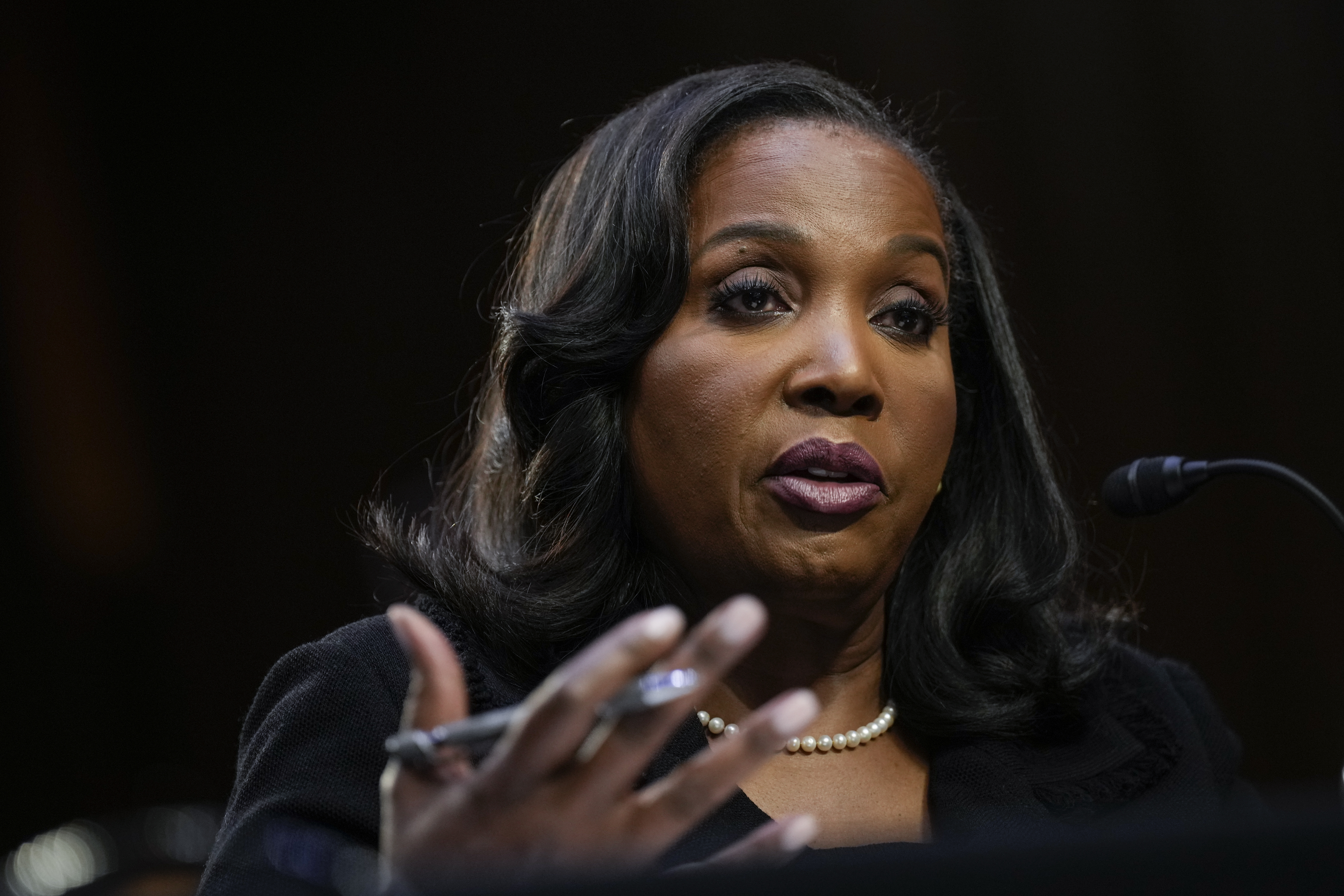
The Supreme Court has halted President Trump's effort to dismiss Federal Reserve governor Lisa Cook, raising concerns about the central bank's independence.