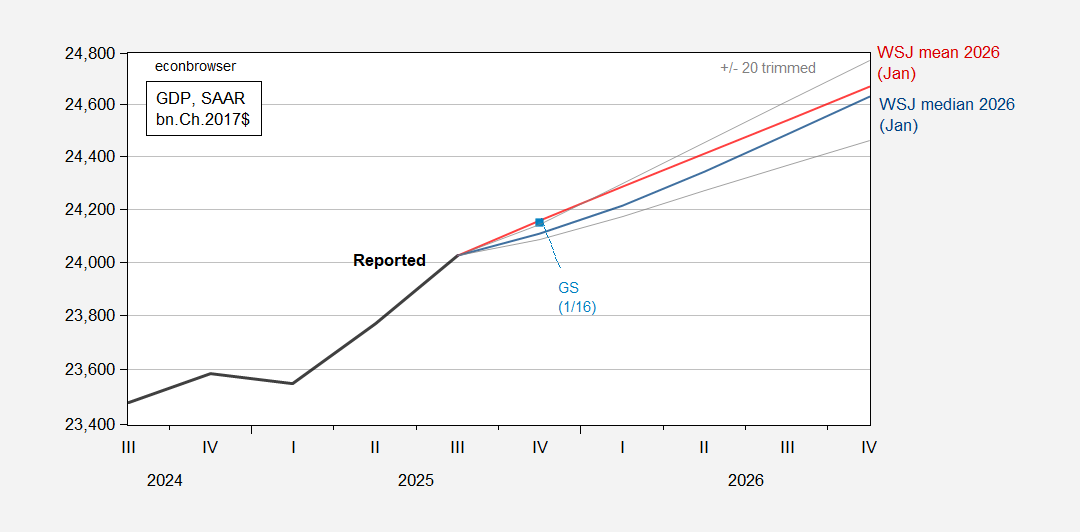
41. WSJ Economic Survey: Downside Risk in GDP
Menzie Chinn discusses GDP growth forecasts and recession probabilities based on a recent WSJ economic survey, highlighting downside risks in the projections.
your daily dose of economic commentary
Menzie Chinn discusses GDP growth forecasts and recession probabilities based on a recent WSJ economic survey, highlighting downside risks in the projections.
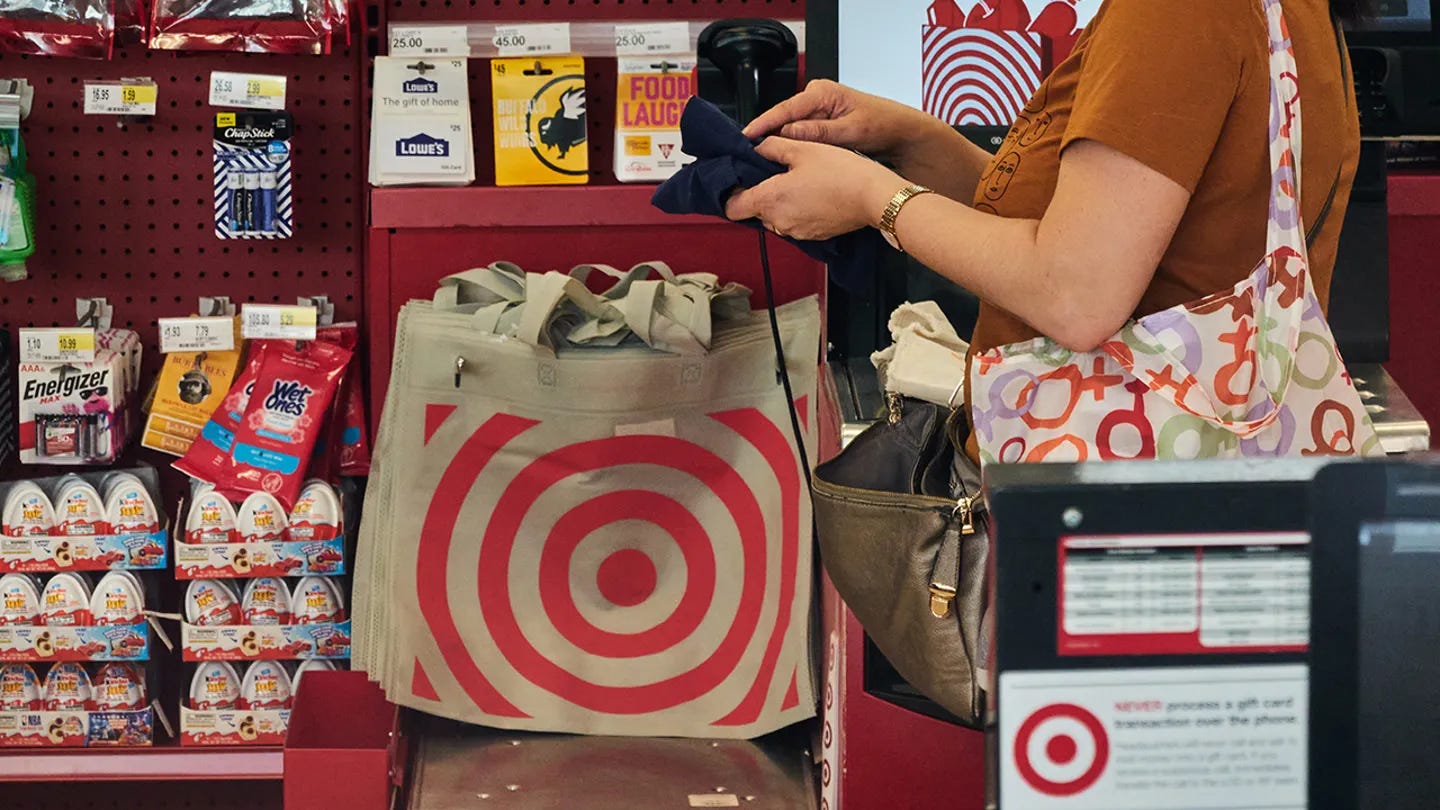
Jadrian Wooten discusses how self-checkout influences consumer behavior and decision-making, highlighting economic principles behind theft and cost-benefit analysis.
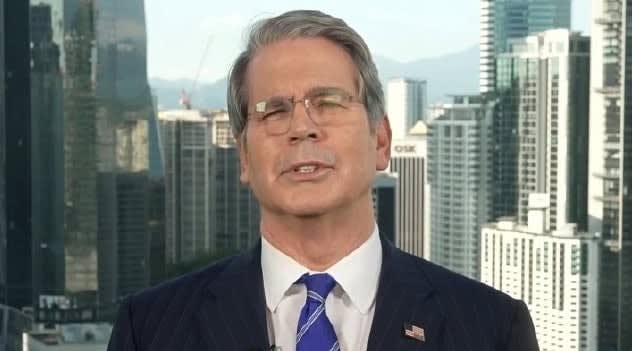
Paul Krugman argues that big businesses are making a dangerous compromise by aligning with Trump, underestimating the risks to their interests and the broader economy.
Robert Vienneau critiques various quotations on rent, discussing the contributions of economists like Ricardo and Sraffa to the theory of differential land rent.
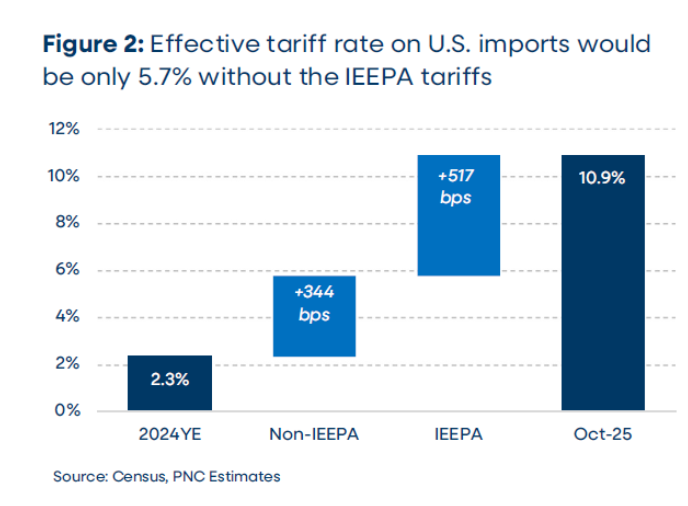
Menzie Chinn discusses the potential economic impact of the Supreme Court ruling on IEEPA tariffs and their implications for U.S. trade policy under Trump.
Tyler Cowen discusses Tim Kane's views on grade inflation and the University of Austin's approach to academic rigor and ideological diversity in higher education.

An argument that China's significant trade surplus poses challenges for the global economy, particularly for the U.S. and Europe, necessitating policy responses despite current political turmoil.
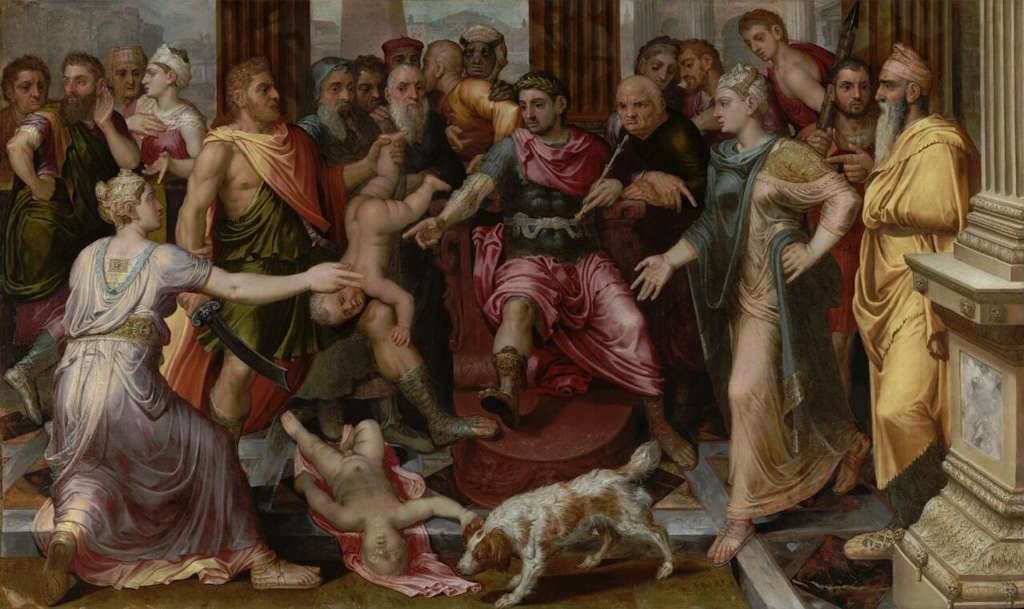
An argument that zero-sum thinking in economic policies, particularly regarding immigration and tariffs, leads to repeated failures and misunderstandings of economic principles.

Paul Krugman discusses Donald Trump's fixation on acquiring Greenland and its implications for U.S. foreign policy and trade law.
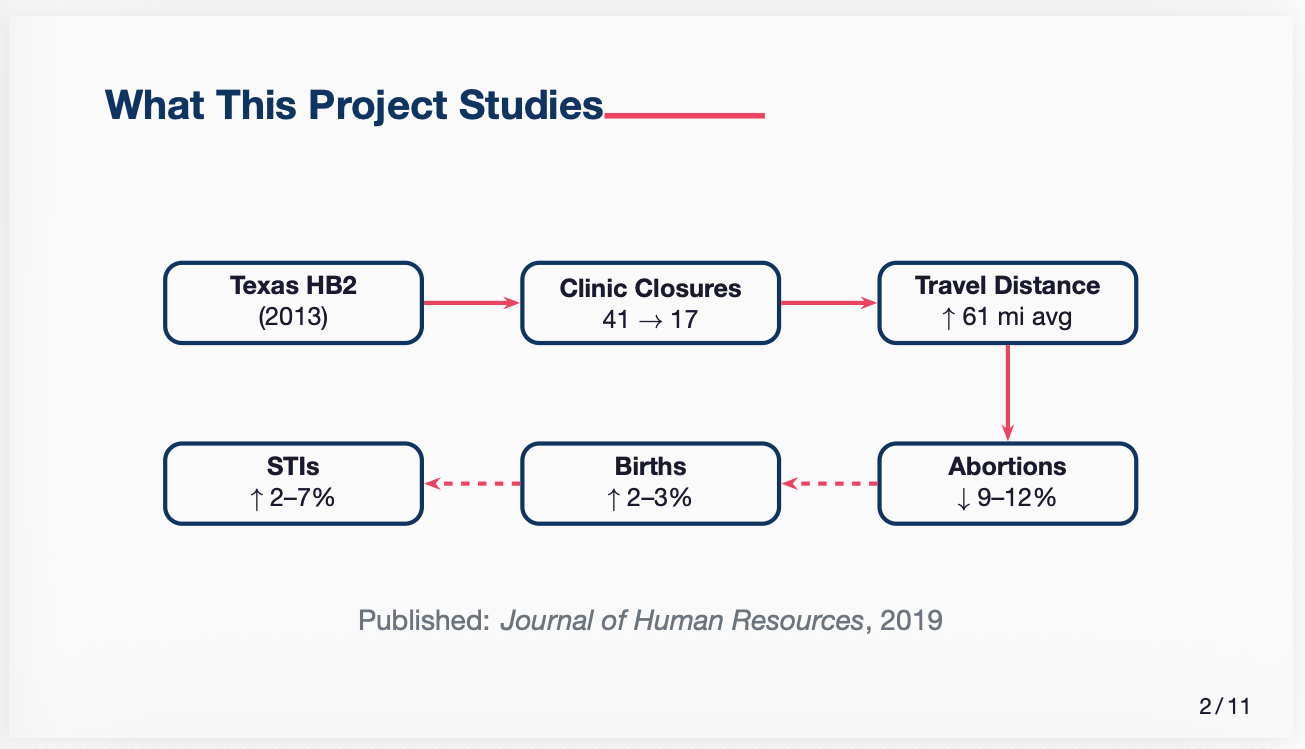
The post explores using Claude Code to create effective presentation decks, emphasizing their utility for personal organization and communication in research projects.

Paul Krugman discusses economic indicators and the implications of a criminal investigation into Jerome Powell with Claudia Sahm, highlighting unusual labor market dynamics.
Tyler Cowen discusses the integration of AI in higher education, emphasizing the need for students to learn how to work with AI alongside traditional subjects.
The post explores the rise of prediction markets, highlighting young traders betting on various current events during Trump's presidency.
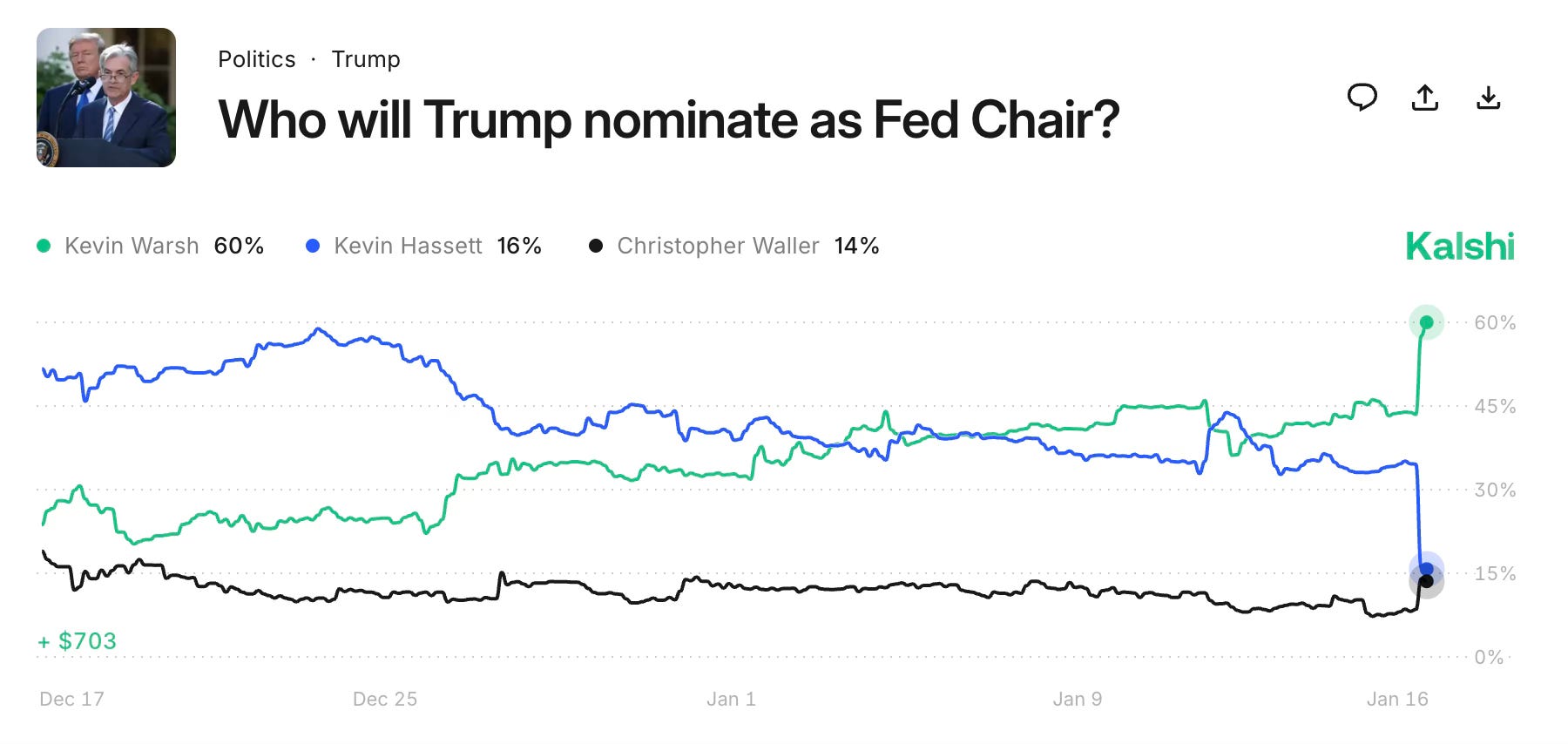
Paul Krugman critiques Kevin Warsh's economic views, highlighting their political motivations and questioning the validity of his assertions regarding fiscal and monetary policy.
An argument that AI is rapidly transforming the workforce, affecting expertise value and job displacement, while also presenting opportunities for collaboration and improvement in various sectors.

Scott Cunningham discusses declining fertility rates, their impact on higher education enrollment, and the implications of the "baby-less recovery" from the Great Recession.

The post discusses Abigail Spanberger's inauguration and her intention to represent Virginia's modern vibrancy, breaking traditional norms in the process.

Paul Krugman discusses the symbolic nature of a Nobel medal and critiques the actions of someone attempting to gain stature through coercion.

David Hebert explores the concept of competition, emphasizing its complexities beyond textbook definitions and highlighting its role in market behavior and reputation.

Noah Smith explores how social media, particularly Instagram and TikTok, exacerbates feelings of inadequacy and pessimism among Americans, impacting consumer sentiment despite economic improvements.