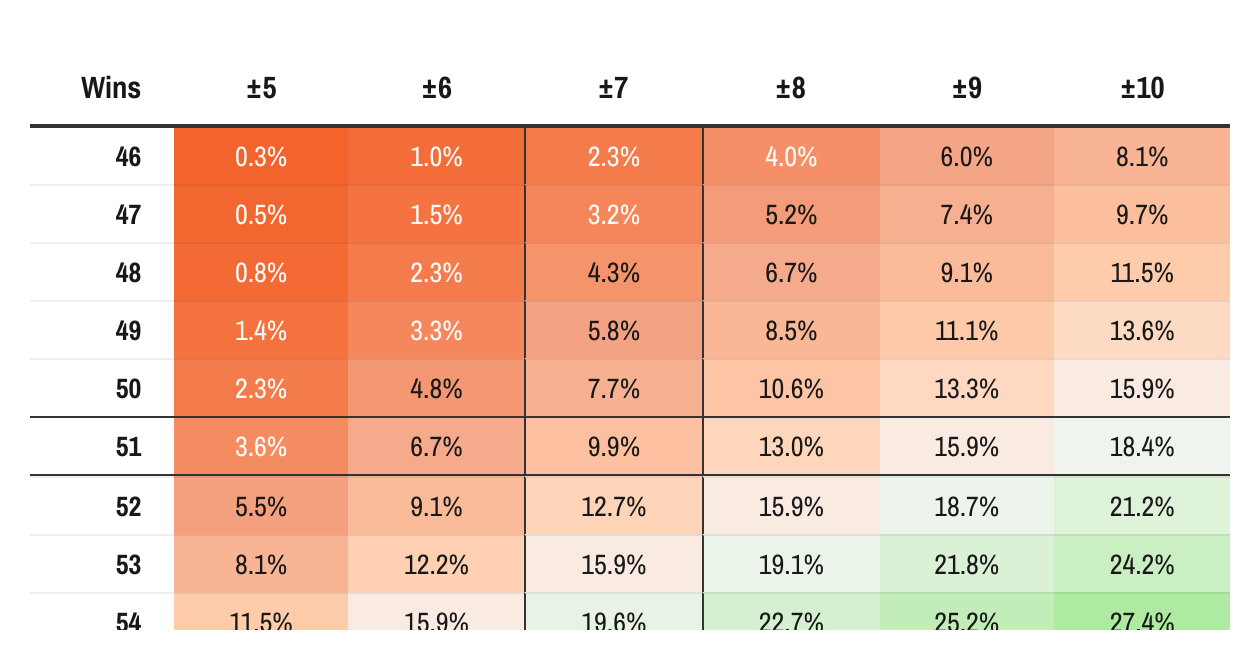
2501. When should you fire your coach?
Nate Silver discusses the complexities and rationale behind firing an NBA coach, using the Knicks' decision to dismiss Tom Thibodeau as a case study.
your daily dose of economic commentary
Nate Silver discusses the complexities and rationale behind firing an NBA coach, using the Knicks' decision to dismiss Tom Thibodeau as a case study.
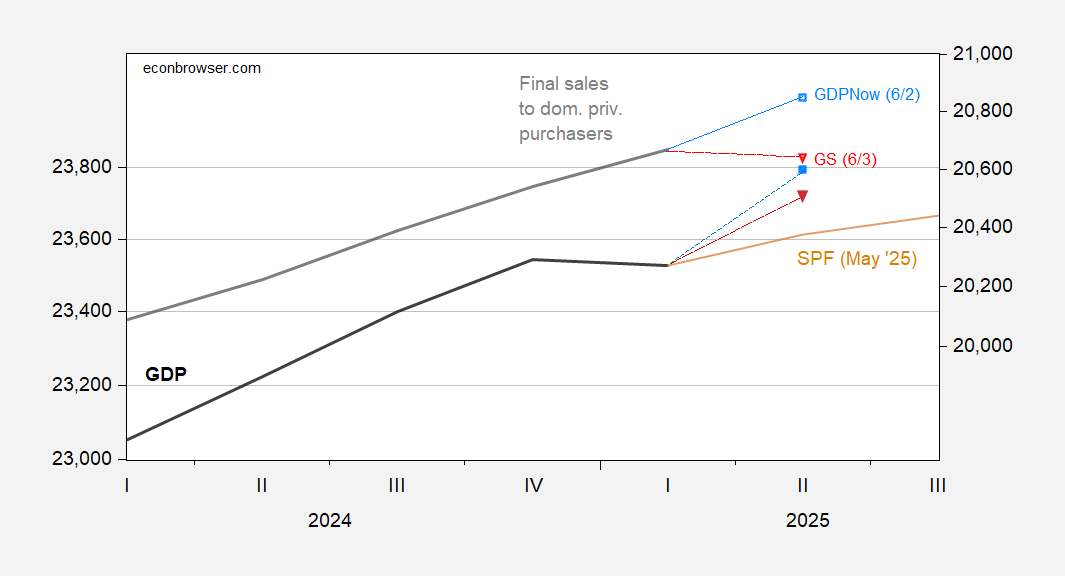
An argument that the Atlanta Fed's GDPNow forecast indicates growth but does not restore GDP to previous trends, highlighting differences with Goldman Sachs' outlook and investment uncertainty.

Jon Murphy discusses the hidden costs of tariffs, particularly how Foreign Trade Zones help American firms manage cash flow and mitigate the impact of unpredictable tariff policies.

Scott Horsley discusses the Congressional Budget Office's projection that Trump's tariffs could significantly reduce the deficit, while also noting potential economic drawbacks.
Economic activity has slightly declined, with mixed reports on consumer spending, labor markets, and price increases, amid elevated uncertainty affecting business decisions.
An argument that effective communication by the Federal Reserve enhances public understanding of economic policy and proposes improvements to its communication practices.

An argument that Senate Democrats oppose proposed cuts to public broadcasting funding, while House Republicans plan to vote on significant funding reductions.
Craig Richardson discusses the unintended consequences of a lawsuit against the National Association of Realtors, highlighting flaws in its approach to real estate commissions and market dynamics.

The post discusses the weakening labor market's vulnerability to economic downturns, contrasting it with previous resilience during inflation and interest rate hikes.

Federal employees faced unexpected loss of health coverage after being fired and reinstated, leading to significant medical bills for some.

Bill McBride discusses the decline in heavy truck sales in May, highlighting historical trends and comparisons to previous years and economic conditions.

An argument that recent tariff changes may not signal a resolution to trade tensions, as they could lead to increased costs and job losses in manufacturing.
Bill McBride discusses the decline of the ISM Services Index to 49.9% in May, indicating economic contraction in the services sector for the first time since June 2024.

Bill McBride discusses a decrease in mortgage applications according to the latest MBA survey, highlighting trends in refinancing and purchase activity.
Brittney Melton discusses the doubling of steel tariffs and Trump's request to eliminate public broadcasting funding.
The author recounts his experiences collecting Mexican art, focusing on the painters Juan and Marcial Camilo Ayala, and the cultural and personal connections formed through this journey.
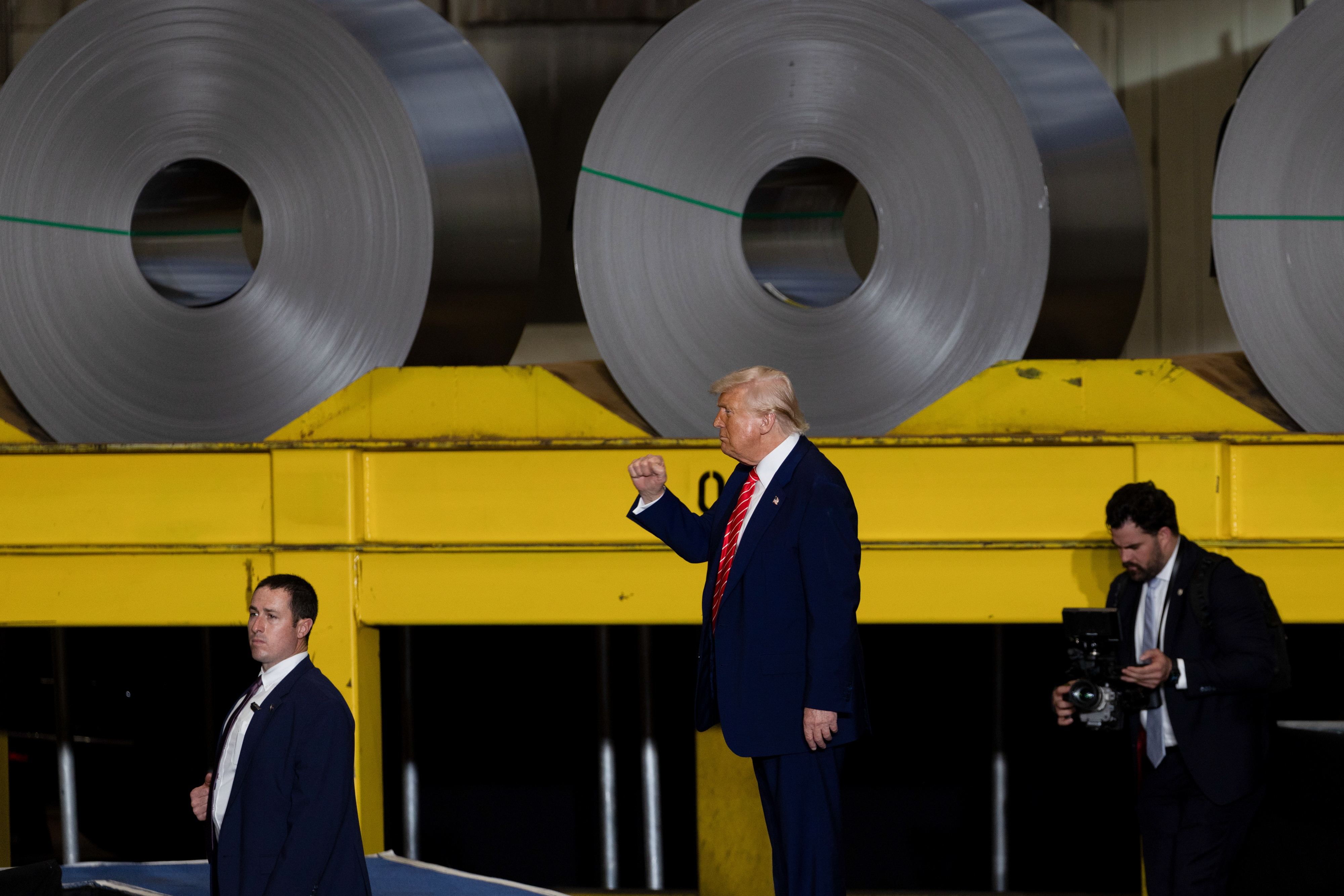
Scott Horsley discusses the impact of President Trump's steel tariffs on a North Carolina manufacturer and the challenges of competition they face.

The post discusses Trump's involvement in cryptocurrency, focusing on the $TRUMP coin and its legal implications, as well as the mechanics of Stablecoins.

Scott Sumner argues that poverty is not the primary cause of homelessness, citing data that shows Mississippi, the poorest state, has the lowest homelessness rate.

Bill McBride discusses the decline in U.S. light vehicle sales in May, attributing it to inventory depletion and reduced consumer demand following a surge due to tariff concerns.