
2281. The Surprising Economics of Love Island
The post explores the economic principles behind the reality show Love Island, particularly focusing on the stable marriage problem and its implications for pairing participants.
your daily dose of economic commentary
The post explores the economic principles behind the reality show Love Island, particularly focusing on the stable marriage problem and its implications for pairing participants.
Alex Tabarrok discusses the modest decline in appliance durability, attributing it to consumer preferences, regulatory changes, and economic factors rather than corporate negligence.

Laurel Wamsley discusses the decline in home sales in May, despite an increase in available homes, due to high mortgage rates and economic uncertainty.
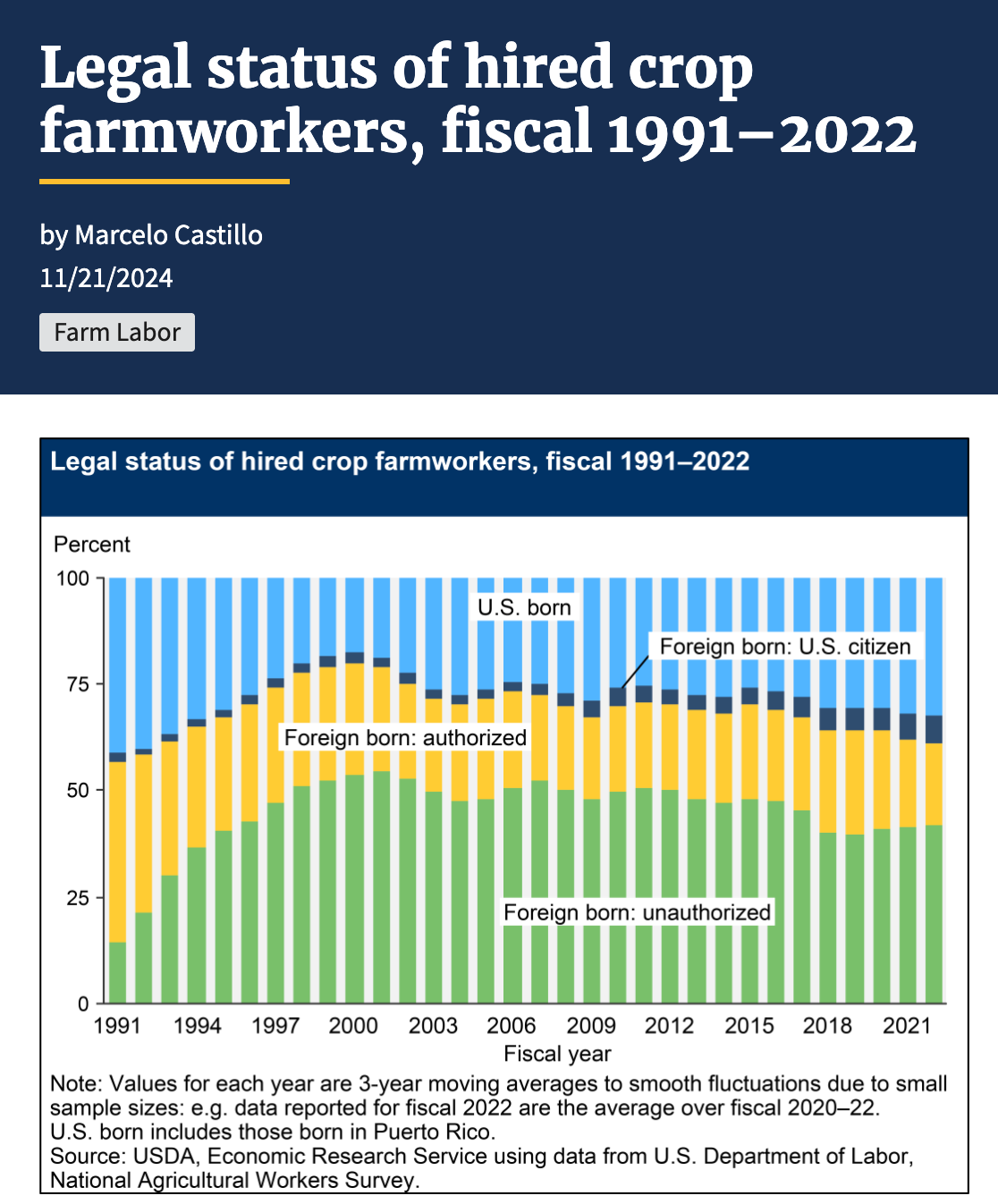
The post highlights how Trump's policies, particularly cuts to social programs, will disproportionately harm rural Americans who largely supported him, undermining their economic stability.

Bill McBride discusses the NAR's report on existing-home sales, noting a slight monthly increase but a year-over-year decline in sales figures.

Bill McBride discusses the increase in active single-family housing inventory, noting significant year-over-year growth and comparisons to previous years' data.

Bill Chappell explores an AI-generated video ad's impact and its potential implications for the future of advertising.
The post highlights an exhibition of the Très Riches Heures, emphasizing its artistic significance and the historical context of the Limbourg brothers' work.

The discussion focuses on how consumer spending habits in the U.S. have changed due to economic uncertainty.

David Henderson discusses the impact of foreign students on the U.S. economy and innovation, highlighting their contributions to startups and economic success.

An argument that Somalia's lack of government has led to unexpected benefits, particularly in telecommunications and community support systems, despite ongoing insecurity and weak state capacity.
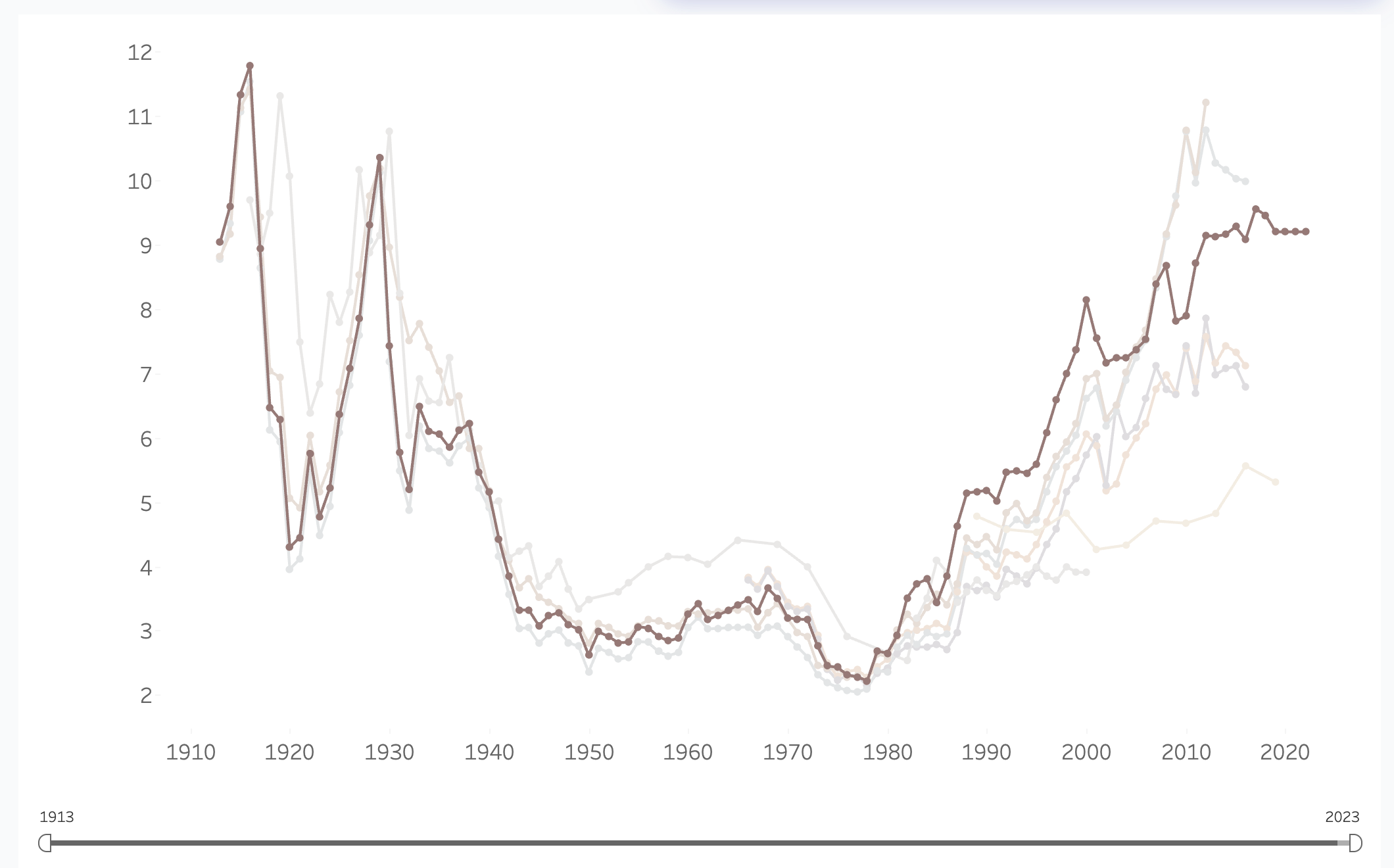
Paul Krugman discusses the rise of extreme wealth concentration in America and its implications for democracy, referencing historical and contemporary political figures.

Bill McBride discusses the recent increase in lumber prices, noting changes in futures contracts and factors influencing price fluctuations.

Noah Smith discusses the potential economic impacts of military actions against Iran, particularly focusing on oil prices and global supply concerns.

The post explores the distinction between ultrarich individuals and the wealthy, focusing on the luxury of gigayachts as a symbol of extreme wealth.

The discussion explores the theological differences between traditional Christianity and Mormonism, particularly regarding the nature of God, the Trinity, and salvation.
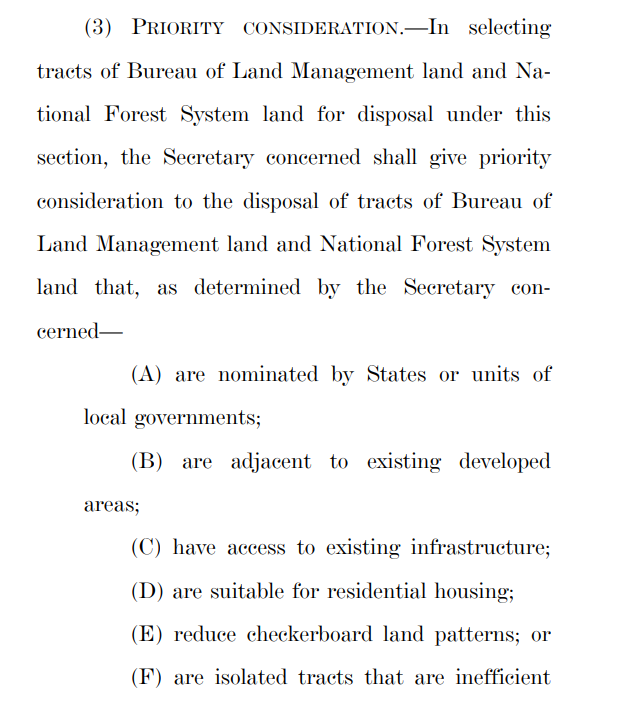
Alex Tabarrok argues for the privatization of federal land to improve efficiency and raise funds, criticizing political restrictions that hinder this process.

Paul Krugman discusses special elections with David Nir and G. Elliott Morris, highlighting their implications for the upcoming midterms and the political landscape.

Key economic reports and events for the week include home sales, GDP estimates, and Federal Reserve testimonies, highlighting trends in housing and manufacturing sectors.
Robert Vienneau discusses Howard Fast's departure from the Communist Party after Khrushchev's secret speech and its impact on his beliefs and values.